


 Home
Home
Have you ever wondered how a solid rock-like material called calcium carbide is actually made? People know it is linked with producing acetylene gas, but where does it really come from? Is it created from natural minerals or through a special factory process? Could it be made at home, or does it need big machines to heat things up? And what role do raw materials like coal or limestone play in this reaction? Why is such a powerful chemical formed in such a simple but extreme way? How exactly is calcium carbide made?
How Is Calcium Carbide Made?
Related Encyclopedia
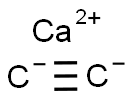
- 75-20-7
- C2Ca
- 64.1
- All (13)
- China (7)
- (13)
- 141219-98-9
- C36
- 432.38500
- All (95)
- China (15)
- (95)

- 74-86-2
- C2H2
- 26.04
- All (5)
- China (5)
- (5)
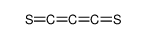
- 627-34-9
- C3S2
- 100.16200
- All (0)
- China (0)
- (0)

- 91948-87-7
- C3H3
- 39.05590
- All (0)
- China (0)
- (0)

- 84654-89-7
- CH2N
- 28.03330
- All (0)
- China (0)
- (0)

- 14067-05-1
- C+
- 12.01070
- All (0)
- China (0)
- (0)
- 4095-13-0
- CH2P
- 45.00030
- All (0)
- China (0)
- (0)
- 53590-27-5
- C2N
- 38.02810
- All (0)
- China (0)
- (0)
- 194470-70-7
- C7H5
- 89.11460
- All (0)
- China (0)
- (0)
Related Products More >

- CNY Request For Quotation
- CNY Request For Quotation
- CNY Request For Quotation
- 112945-52-5
- Request For Quotation
- 7440-44-0
- Request For Quotation
- Request For Quotation
- 616-38-6
- CNY 3500.0000
- 1ton
- 124-38-9
- CNY 2500.0000
- 1ton
 沪ICP备2021018848号-5


What makes it interesting is what happens when this stuff touches water. Instead of just sitting there, it reacts right away and releases a gas called acetylene. People use that gas for things like welding metal or even making certain chemicals. In the past, small lamps used this reaction to give off bright light, especially in caves or mining areas.
In the field of industrial chemistry, calcium carbide plays a pivotal role primarily as a source of acetylene gas. Acetylene is a fundamental feedstock for the production of various chemicals, including vinyl chloride monomer (VCM), which is further polymerized to form polyvinyl chloride (PVC), a widely used plastic. The ability to generate acetylene on-demand through the reaction of calcium carbide with water makes it a valuable reagent in laboratories and small-scale industrial settings where gas cylinders may be impractical. Additionally, calcium carbide is employed in the production of calcium cyanamide, a fertilizer and a precursor to other nitrogen-containing compounds. The high reactivity of calcium carbide also makes it useful in metal cutting and welding, where the intense heat generated by the combustion of acetylene is harnessed.
It is important to distinguish calcium carbide from other carbides, such as silicon carbide (SiC) or tungsten carbide (WC), which have different chemical compositions and applications. Silicon carbide, for instance, is a covalent compound known for its hardness and thermal conductivity, making it suitable for abrasives and ceramics. Tungsten carbide, on the other hand, is a metallic carbide used in cutting tools and wear-resistant materials due to its exceptional hardness and toughness. Unlike these carbides, calcium carbide's primary utility lies in its ability to generate acetylene gas, setting it apart in terms of both chemical behavior and industrial relevance.
A common misunderstanding about calcium carbide is that it can be safely stored or handled without precautions due to its solid state. However, calcium carbide is highly reactive with moisture, including atmospheric humidity, which can lead to the spontaneous generation of acetylene gas. This reactivity poses significant safety risks, including the potential for explosion if acetylene accumulates in confined spaces. Proper storage requires keeping calcium carbide in airtight, moisture-proof containers, often under an inert atmosphere. Furthermore, the byproduct calcium hydroxide formed during the reaction with water is caustic, necessitating careful handling to avoid skin and eye irritation.
Another area of confusion pertains to the environmental impact of calcium carbide production. While the manufacturing process is energy-intensive, primarily due to the high temperatures required in the electric arc furnace, advancements in furnace design and energy recovery systems have improved efficiency. Additionally, the use of calcium carbide in applications like PVC production has led to innovations in recycling and waste management, aiming to mitigate environmental consequences. Nonetheless, the disposal of calcium carbide waste and the management of acetylene gas require stringent protocols to prevent environmental harm. Understanding these nuances is crucial for professionals working with calcium carbide, ensuring both safety and sustainability in its applications.
The operation of the electric arc furnace is central to the manufacturing mechanism. Electrodes are lowered into the charge of lime and coke, and a powerful electric current is passed through, creating an arc that provides the intense heat required. Within this molten environment, the reduction of calcium oxide by carbon occurs, yielding molten calcium carbide and carbon monoxide gas. The molten carbide, being denser, settles at the bottom of the furnace and is tapped off at regular intervals into chill molds, where it solidifies into large, grey lumps. The carbon monoxide by-product is typically captured and used as a fuel source elsewhere in the facility, improving the overall energy efficiency of the operation.
A primary example of its practical application is in the generation of acetylene gas (C₂H₂), a crucial industrial fuel and chemical precursor. When calcium carbide lumps are carefully reacted with water, they produce acetylene and calcium hydroxide. This acetylene is then utilized in metalworking for oxy-acetylene welding and cutting torches, where its flame reaches temperatures high enough to melt steel. The physical quality of the final carbide product, such as its lump size and purity, is critical for controlling the rate of gas generation in these applications, ensuring a safe and consistent supply of acetylene for industrial use.