


 Home
Home
When people see the word "acid," they often worry if it means something harmful or dangerous. Gluconic acid is found in many foods and products, but is it safe for everyday use? Should you be concerned about eating or drinking things that contain gluconic acid, or is it just another harmless ingredient? Does it have side effects when consumed in normal amounts, and how does it compare to other common food acids we already eat?
Is Gluconic Acid Bad For You?
Related Encyclopedia
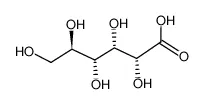
- 133-42-6
- C6H12O7
- 196.16000
- All (48)
- China (9)
- (48)
- 53993-25-2
- C9H10O2
- 150.17400
- All (0)
- China (0)
- (0)
- 24758-68-7
- C12H18N2O6
- 286.28100
- All (0)
- China (0)
- (0)
- 756449-46-4
- C6H12O7
- 196.15500
- All (2)
- China (0)
- (2)
- 42728-79-0
- C12H27NO10
- 345.34300
- All (0)
- China (0)
- (0)
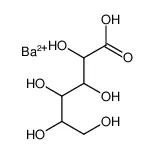
- 5328-41-6
- C6H12BaO7++
- 333.48200
- All (0)
- China (0)
- (0)
- 162878-76-4
- C7H15N3O6S
- 269.27600
- All (0)
- China (0)
- (0)
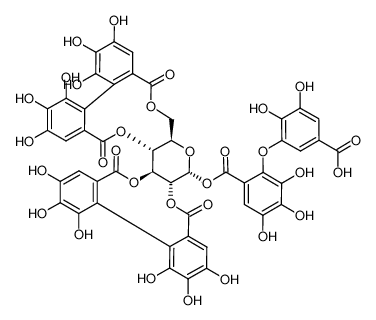
- 82203-00-7
- C48H32O31
- 1104.75000
- All (0)
- China (0)
- (0)
- 33439-12-2
- C6H5NO4Se
- 234.06800
- All (0)
- China (0)
- (0)
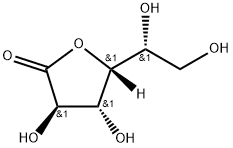
- 1198-69-2
- C6H10O6
- 178.14
- All (0)
- China (0)
- (0)
Related Products More >

- 72-18-4
- USD 45.0000
- 25kg
- 74-79-3
- USD 92.0000
- 25kg
- 96154-36-8
- Request For Quotation
- 25kg/Drum
- 96-82-2
- Request For Quotation
- 95912-86-0
- Request For Quotation
- 220L/drum
- 943298-08-6
- Request For Quotation
- 93348-22-2
- Request For Quotation
- 25KG/50KG/1000KG
- 93348-22-2
- Request For Quotation
- 25kg/Cardboard Drum
 沪ICP备2021018848号-5


From a physiological standpoint, gluconic acid and its salts, known as gluconates, are easily processed by the human body. They are often used to stabilize minerals like calcium, iron, or zinc, improving how the body absorbs them. This function places gluconic acid at the intersection of nutrition and chemistry, linking the biochemical pathways of energy metabolism with practical dietary applications. Its mild acidity also helps maintain balance in the gut and supports an environment that is not disruptive to normal digestive function.
In the realm of industry, gluconic acid plays a role far beyond food. It is employed in cleaning products, where its ability to bind to metal ions makes it useful for removing deposits without resorting to harsh, corrosive chemicals. In agriculture, it can act as a chelating agent, making micronutrients more available to plants. This same chelating property explains why it has been applied in medicine, helping to deliver minerals in supplement form in a way that is more readily absorbed and less irritating to the stomach.
Considering all these contexts, gluconic acid demonstrates how a single compound can bridge chemistry, nutrition, and technology. Its presence in everyday foods like fruit and honey, its contribution to human health through mineral absorption, and its role in industrial and agricultural systems highlight a wide spectrum of significance. Asking whether it is bad for you invites a deeper understanding of how substances are judged not only by their name but by their interaction with living systems and practical use.
In physiological contexts, gluconic acid plays a dual role. As a metabolite, it participates in carbohydrate catabolism pathways, though its direct contribution to energy production is minimal compared to pyruvate or acetyl-CoA. More critically, its salts, such as calcium gluconate, are utilized in medical settings to address electrolyte imbalances without the gastrointestinal irritation associated with inorganic salts like calcium chloride. The acid’s biocompatibility stems from its ability to chelate metal ions moderately, aiding in mineral absorption while avoiding excessive sequestration that could interfere with enzymatic functions.
From an engineering perspective, gluconic acid production exemplifies green chemistry principles. Microbial fermentation using Aspergillus niger or Gluconobacter species leverages renewable substrates like corn syrup, minimizing waste compared to chemical synthesis methods. This bioprocess aligns with sustainable manufacturing trends, as it operates under mild conditions (pH 5–7, 25–30°C) and generates byproducts like cell mass, which can be repurposed as animal feed. In contrast, electrochemical synthesis, though less common, requires precise control of anode materials and voltage to prevent overoxidation to glucaric acid, a compound with different industrial applications.
A common misconception positions gluconic acid as a preservative akin to benzoic or sorbic acid. While its antimicrobial activity exists, it is effective primarily against spoilage bacteria in low-acid foods, not molds or yeasts. This limitation necessitates its combination with other preservatives in formulations like beverages or dairy products. Additionally, the term “gluconic acid” is sometimes conflated with “glucuronate,” a metabolite in phase II detoxification pathways. Unlike gluconic acid, glucuronate is derived from UDP-glucose and conjugates with xenobiotics to enhance their solubility, highlighting distinct biochemical roles despite structural similarities.
In the food industry, gluconic acid’s applications extend beyond acidulation. Its lactone form, glucono-δ-lactone, acts as a coagulant in tofu production, offering a cleaner taste than traditional calcium sulfate. This specificity underscores the importance of understanding chemical forms: the free acid lowers pH, while the lactone provides controlled hydrolysis, releasing acid gradually. Such nuances are critical in formulations where rapid pH changes could compromise texture or stability.
To address safety concerns, regulatory agencies like the FDA classify gluconic acid as “generally recognized as safe” (GRAS) when consumed in typical dietary amounts. Toxicity studies in rodents indicate no adverse effects at doses exceeding human equivalent intakes, reinforcing its low risk profile. However, excessive intake of calcium gluconate supplements could theoretically lead to hypercalcemia, though this is rare and context-dependent. The key distinction lies in the form and concentration: dietary gluconic acid from fermented foods or supplements is unlikely to pose harm, whereas industrial exposure to concentrated acids requires standard safety protocols.
In summary, gluconic acid’s value lies in its versatility and mildness, bridging biochemistry, food engineering, and medicine. Its chemical structure dictates its functional properties, while misconceptions often arise from oversimplification of its roles or confusion with analogous compounds. By contextualizing its behavior across disciplines, we can appreciate why gluconic acid is neither inherently harmful nor a panacea, but a tool whose safety and efficacy depend on precise application.
In normal amounts, it’s considered safe and doesn’t act like the strong acids we picture from science class. Most people consume it without even realizing it, since it shows up naturally in foods and drinks. Even in products like medicine or cleaning supplies, it’s usually used in a very controlled way that’s not harmful to people.
So unless you’re drinking huge amounts of something highly concentrated, there’s really no need to stress about gluconic acid. For everyday eating and drinking, it’s not known to cause problems and is generally recognized as safe.
The metabolic pathway of gluconic acid demonstrates why it's considered harmless for most populations. Upon ingestion, it's efficiently converted to glucose-6-phosphate through the pentose phosphate pathway, eventually entering regular carbohydrate metabolism. This process prevents any substantial buildup in the system. Its chelating ability, while moderate, actually contributes to its safety by binding minerals like calcium only weakly, unlike stronger chelators such as EDTA. This property is utilized beneficially in food products to prevent discoloration and mineral precipitation without removing essential nutrients from the body.
In practical applications, gluconic acid serves multiple roles across industries. In food production, it maintains the texture and stability of baked goods while preventing scale formation in dairy equipment. Pharmaceutical formulations utilize it as a gentle excipient to enhance drug solubility without causing gastrointestinal irritation. Cosmetics incorporate gluconic acid into skincare products where it functions as a mild exfoliant and pH adjuster. These diverse applications leverage its safety and functionality, with no documented cases of adverse effects at standard usage levels.
Certain consumer products showcase gluconic acid's practical benefits. Dairy companies add it to milk cartons to prevent calcium separation, ensuring consistent texture. Breweries use it during production to control mineral content without affecting fermentation. In household cleaning, it's featured in bathroom cleaners where it dissolves lime scale while being less corrosive than acidic alternatives like hydrochloric acid. These implementations highlight how gluconic acid's properties are harnessed to create effective yet safer products for regular use.