


 Home
Home
I've always loved the convenience of grabbing a can of whipped cream and taking a quick bite straight from it. It tastes so good and is so easy! But lately, I've been seeing some warnings and comments online that have made me worried. I don't want to put my health at risk. Does the propellant gas used in the cans get mixed with the cream and cause harm? Are there any bacteria or contaminants that could be in there? I really need to know if this fun little habit is actually dangerous. Can someone explain the safety risks to me?
Concerned! Is It Risky to Consume Whipped Cream Directly from the Can?
Related Encyclopedia
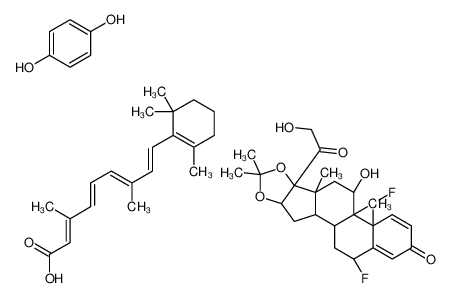
- 940291-89-4
- C50H64F2O10
- 863.03400
- All (0)
- China (0)
- (0)
Related Products More >
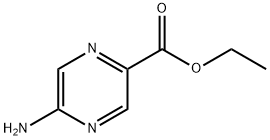
- 74-79-3
- CNY 8.0000
- 25kg
- 979-32-8
- Request For Quotation
- 96829-58-2
- Request For Quotation
- 9057-02-7
- Request For Quotation
- 90-05-1
- Request For Quotation
- 868-14-4
- Request For Quotation
- 868-14-4
- Request For Quotation
- 868-14-4
- Request For Quotation
 沪ICP备2021018848号-5


First off, the propellant gas is a big deal. Most whipped cream cans use nitrous oxide (N2O) as a propellant to push the cream out. When you spray the cream into your mouth, there's a chance you could inhale some of that gas. In small amounts, a quick whiff might just make you feel a bit light - headed, kind of like that funny sensation you get for a second. But if you inhale too much of it directly, it can be super dangerous. Nitrous oxide can displace the oxygen in your lungs, and if you do this repeatedly or in large quantities, it can lead to oxygen deprivation. That means your brain and other organs aren't getting the oxygen they need, which can cause dizziness, confusion, and in extreme cases, even loss of consciousness or suffocation.
Then there's the contamination aspect. The nozzle on the can is exposed to the air, and if you're not careful, bacteria from your mouth or the environment can get on it. Every time you put your mouth on the nozzle, you're potentially creating a breeding ground for germs. Over time, that could lead to things like foodborne illnesses. You might end up with an upset stomach, vomiting, or diarrhea. And if you share the can with others, you're just spreading those germs around even more.
Another thing is the cold. The cream comes out of the can really cold because of the propellant gas. If you take a big gulp of it, the extreme cold can actually damage the sensitive tissues in your mouth, throat, and esophagus. It's like getting a really bad brain freeze, but way worse. You could end up with pain, swelling, or even small ulcers in those areas.
But here's the good news: if you enjoy whipped cream from the can, you can still do it safely. Just make sure to spray the cream into a bowl first instead of putting your mouth directly on the can. That way, you avoid inhaling the propellant gas and reduce the risk of contamination. And don't overdo it. A little bit as a treat is fine, but making it a regular habit of taking big mouthfuls straight from the can is where you run into trouble. Now that you know the risks, you can enjoy your whipped cream without stressing too much about your health!
The propellant (usually nitrous oxide, N₂O):
This gas is food-grade and non-toxic in small amounts. It’s what makes the cream fluffy when dispensed. When you spray it into your mouth:
• Most of the gas escapes as you swallow the cream.
• Tiny traces left in the cream are harmless—it’s the same gas used in dental anesthesia (but in much smaller doses here).
The real risks (and how to avoid them):
1. Freeze burns: Spraying too close or too long can freeze your mouth/throat (the gas gets very cold under pressure).
• Fix: Hold the nozzle a few inches away and spray in short bursts.
2. Overdoing nitrous oxide: Inhaling only the gas (not the cream) recreationally can be dangerous—but this isn’t a risk if you’re just eating the cream normally.
• Fix: Stick to eating, not huffing.
3. Bacteria/contaminants: Unlikely if the can is factory-sealed and used before expiry. Risk comes from:
• Dirty nozzles: Wipe them with a clean cloth if the can touches surfaces.
• Half-used cans left warm: Bacteria could grow. Refrigerate after opening and use within 1-2 weeks.
The bottom line:
Occasionally eating whipped cream straight from the can is not dangerous if you:
• Use it as intended (don’t inhale pure gas).
• Keep the nozzle clean.
• Avoid freezing your mouth by spraying gently.
The biggest "danger" is probably the sugar content—so enjoy in moderation! Your habit’s fine; just be sensible.
1. The propellant gas: Nitrous oxide (N₂O) vs. your health
Most aerosol whipped creams use nitrous oxide (N₂O) as the propellant. Here’s what happens when you spray it:
Gas separates from cream: N₂O dissolves into the cream under pressure but quickly evaporates once the can is opened. You’re not swallowing liquid gas—it turns to air before hitting your mouth.
Is N₂O harmful? In tiny amounts (like a can of whipped cream), no. It’s used medically as anesthesia and in food-grade applications for decades. The real risks come from inhaling it intentionally (like “whippets” for a high), which can cause oxygen deprivation. But eating the cream? No issue.
2. Bacteria and contaminants: The can’s defense system
High pressure kills bugs: The can’s sealed environment and pressure (around 300 PSI) prevent bacterial growth. Think of it like a mini pressure cooker—no oxygen = no spoilage.
Pasteurized cream: Manufacturers use ultra-pasteurized cream (heated to 280°F/138°C) to kill pathogens before filling the can.
Preservatives: Some brands add nitrous oxide as a preservative (it inhibits bacteria growth), but even without it, the can’s design keeps the cream sterile.
The exception: If the can is dented, swollen, or past its expiration date, toss it. Damaged cans can let air in, allowing bacteria (like C. botulinum) to grow. But under normal conditions, your whipped cream is bacteria-free.
3. The real risks: When to worry
Dental damage: The cold can and sugar in whipped cream can cause tooth sensitivity if eaten daily. Limit it to occasional treats.
Weight gain: A single can has 300–500 calories and 20–40g of sugar (depending on brand). Treat it like dessert, not a snack.
Allergies: Rare, but possible—check labels for milk, soy, or artificial flavorings if you have sensitivities.
4. Safer alternatives (if you’re still nervous)
Whip your own cream: Use a whisk or electric mixer with heavy cream + sugar. No propellants, and you control the sugar.
Look for “no propellant” cans: Some brands use compressed air instead of N₂O (though these are less common).
Check the label: Avoid cans with artificial sweeteners (like aspartame) if you prefer natural ingredients.
Final verdict: Keep indulging (in moderation)
Eating whipped cream from the can is low-risk for most people. The N₂O is harmless, bacteria are kept at bay by the can’s design, and the worst that’ll happen is a sugar rush or cavity if you overdo it. Just treat it like any dessert—enjoy occasionally, not daily, and toss damaged cans. Now go ahead and enjoy that bite—you’ve earned it!