


 Home
Home
Hi there, I need some advice. I recently noticed a bit of blood in my stool, and it made me worry. I do drink alcohol, sometimes more than I should on weekends. Could this be linked to drinking, or is it always a sign of something more serious like ulcers or hemorrhoids? I know alcohol affects the stomach and intestines, but I’m not sure how strong the connection really is. Is it possible that alcohol could actually cause blood in stool, or should I be looking at other reasons too?
Can Alcohol Cause Blood in Stool and What Does It Mean for Your Health?
Related Encyclopedia
![2-[2-hydroxyethyl(tetradecyl)amino]ethanol](https://chemcloud-1304660855.cos.ap-shanghai.myqcloud.com/compound/646107526b314f96afdf50fea56f6788.png?imageMogr2/format/webp)
- 18924-66-8
- C18H39NO2
- 301.51000
- All (0)
- China (0)
- (0)

- 1632-98-0
- C2H4O
- 46.03790
- All (6)
- China (5)
- (6)
![Ethanol, 2-[(3-bromophenyl)methoxy]-](https://chemcloud-1304660855.cos.ap-shanghai.myqcloud.com/compound/e7ded56e48464d20b92f2bb0fab6b69d.png?imageMogr2/format/webp)
- 1149358-73-5
- C9H11BrO2
- 231.08600
- All (0)
- China (0)
- (0)
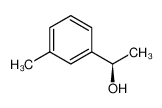
- 42070-91-7
- C9H12O
- 136.19100
- All (0)
- China (0)
- (0)
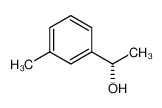
- 51154-53-1
- C9H12O
- 136.19100
- All (0)
- China (0)
- (0)
![Ethanol, 2-[(2,6-dichlorophenyl)Methoxy]-](https://chemcloud-1304660855.cos.ap-shanghai.myqcloud.com/compound/202502112345190892.gif?imageMogr2/format/webp)
- 85309-91-7
- C9H10Cl2O2
- 221.08
- All (0)
- China (0)
- (0)
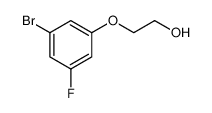
- 1513333-06-6
- C8H8BrFO2
- 235.05000
- All (0)
- China (0)
- (0)
![2-[2-(2-AMINOETHOXY)ETHOXY]ETHANOL](https://chemcloud-1304660855.cos.ap-shanghai.myqcloud.com/compound/202502112313030922.gif?imageMogr2/format/webp)
- 6338-55-2
- C6H15NO3
- 149.19
- All (3)
- China (2)
- (3)
![Ethanol, 2-[(6-methyl-2-pyridinyl)oxy]-](https://chemcloud-1304660855.cos.ap-shanghai.myqcloud.com/compound/228129702066426d9b8611063bec5c50.png?imageMogr2/format/webp)
- 104472-97-1
- C8H11NO2
- 153.17800
- All (0)
- China (0)
- (0)
- 64-17-5
- C2H6O
- 46.07
- All (54)
- China (46)
- (54)
Related Products More >

- 68890-66-4
- CNY Request For Quotation
- 68890-66-4
- CNY Request For Quotation
- 108-01-0
- Request For Quotation
- 64-17-5
- Request For Quotation
- 111-76-2
- Request For Quotation
- 110-80-5
- Request For Quotation
- 67-56-1
- Request For Quotation
- 75-07-0
- CNY 1000.0000
- 1ton
 沪ICP备2021018848号-5


For some people, alcohol also makes conditions like hemorrhoids or acid reflux flare up, and both of those can cause bleeding. Even a night of binge drinking can upset the digestive system enough that you see some changes the next day. But at the same time, blood in stool isn’t always directly caused by alcohol. It could be from something like hemorrhoids, a small fissure, or in rare cases, something more serious.
If you only notice it once after a night of drinking, it might just be irritation. But if it happens more often, it’s important not to ignore it. Getting checked by a doctor can give you peace of mind and help you know if alcohol is the main trigger or if something else is going on.
Chronic heavy drinking introduces another critical mechanism: liver fibrosis and cirrhosis. As the liver’s structure deteriorates, portal hypertension develops—elevated pressure in veins that drain the GI tract. This forces blood into collateral vessels, most notably enlarged esophageal or gastric varices. These fragile veins can rupture suddenly, causing massive upper GI bleeding that may manifest as dark stool or even vomiting blood, a life-threatening emergency distinct from mild mucosal bleeding. Alcohol also exacerbates existing lower GI conditions: it increases intestinal inflammation, accelerates stool transit, and dehydrates stool, worsening hemorrhoids or anal fissures—common causes of bright red blood in stool, but often intensified by alcohol’s irritant effects.
A key distinction in clinical practice is differentiating alcohol-induced bleeding from other causes (e.g., inflammatory bowel disease, colorectal cancer, infections). Unlike these conditions, alcohol-related bleeding often correlates with recent or chronic consumption, and resolving or reducing alcohol intake can mitigate mild cases. A common misconception is that only "excessive" drinking causes this issue; even moderate, long-term alcohol use can gradually damage GI mucosa, leading to subtle bleeding over time. Recognizing alcohol as a trigger is vital for gastroenterologists to guide targeted treatment—from acid-suppressing medications for gastritis to emergency interventions for variceal bleeding—and prevent life-threatening complications by addressing the root cause.
Beyond its local irritant effects, alcohol consumption influences several systemic physiological mechanisms that can contribute to bleeding. A significant factor is alcohol's interference with the liver's synthetic function. The liver produces essential clotting factors, proteins necessary for the coagulation cascade to form a stable blood clot. Chronic heavy drinking can lead to alcoholic liver disease, progressing from fatty liver to cirrhosis. In cirrhosis, the scarred liver fails to produce adequate amounts of these clotting factors, leading to a predisposition to bleeding throughout the body, including the gastrointestinal tract. This creates a scenario where even minor irritation can result in noticeable blood loss.
From a vascular perspective, alcohol can cause portal hypertension in individuals with advanced liver disease. Scarring within the liver increases blood pressure in the portal venous system, which drains blood from the gut. This elevated pressure forces the development of collateral blood vessels, such as esophageal varices or less commonly gastric or rectal varices. These vessels are abnormally dilated, have thin walls, and are prone to life-threatening rupture, presenting as a dramatic hemorrhage. Furthermore, alcohol can exacerbate conditions like hemorrhoids, which are vascular structures in the anal canal; by increasing blood pressure and causing constipation or diarrhea, alcohol can make these veins more likely to swell and bleed during bowel movements.
The broader implications extend into clinical practice and public health. The presence of blood in the stool, regardless of suspected alcohol use, necessitates immediate medical evaluation to rule out serious pathologies like colorectal cancer, inflammatory bowel disease, or severe infections. For individuals who consume alcohol regularly, understanding this potential consequence is a critical aspect of risk awareness. In a therapeutic context, managing alcohol-related GI bleeding involves not only addressing the acute hemorrhage through endoscopic intervention or medication but also a fundamental focus on treating the underlying alcohol use disorder. The phenomenon underscores the direct link between lifestyle choices and physiological vulnerability, highlighting how a commonly consumed substance can disrupt the delicate homeostasis of the human digestive and circulatory systems.