


 Home
Home
Hi, I'd like to ask—Is oxalic acid dihydrate ionic, polar, or nonpolar? How does its molecular structure affect its polarity? Are the bonds within oxalic acid itself ionic or covalent? Does the hydrate form influence its solubility or conductivity? Thanks!
Is Oxalic Acid Dihydrate Ionic, Polar, or Nonpolar?
Related Encyclopedia

- 68603-87-2
- C2H2O4
- 90.03
- All (446)
- China (35)
- (446)
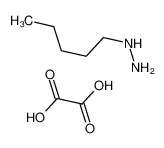
- 7404-49-1
- C7H16N2O4
- 192.21300
- All (0)
- China (0)
- (0)
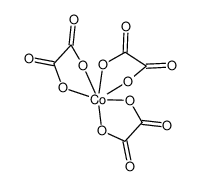
- 14239-07-7
- C6CoO12
- 322.99000
- All (0)
- China (0)
- (0)
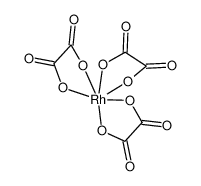
- 15602-35-4
- C6H6O12Rh
- 373.01014
- All (0)
- China (0)
- (0)
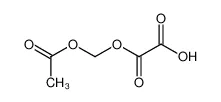
- 138450-69-8
- C5H6O6
- 162.09800
- All (0)
- China (0)
- (0)
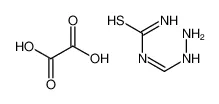
- 67856-71-7
- C4H8N4O4S
- 208.19600
- All (0)
- China (0)
- (0)
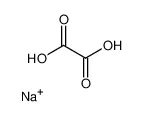
- 15248-76-7
- C2H2NaO4
- 113.02500
- All (0)
- China (0)
- (0)
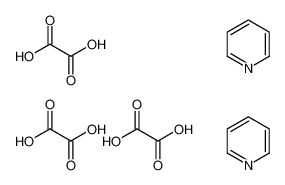
- 105772-25-6
- C16H16N2O12
- 428.30400
- All (0)
- China (0)
- (0)
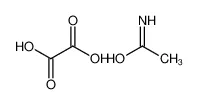
- 37913-34-1
- C4H7NO5
- 149.10200
- All (0)
- China (0)
- (0)
- 934489-56-2
- C16H15NO3
- 269.29500
- All (0)
- China (0)
- (0)
Related Products More >

- 144-62-7
- USD 1.0000
- 25kg
- 144-62-7
- USD 16.0000
- 25kg
- 996-98-5
- Request For Quotation
- 25kg/drum
- 856335-90-5
- Request For Quotation
- 25kg/ea
- 6153-56-6
- Request For Quotation
- 6153-56-6
- Request For Quotation
- 6153-56-6
- Request For Quotation
- 6153-56-6
- Request For Quotation
 沪ICP备2021018848号-5


Oxalic acid itself is a covalent compound composed of carbon, hydrogen, and oxygen atoms. Its structure features two carboxyl groups ), each consisting of a carbonyl group ) and a hydroxyl group ). The water of hydration ) is also a covalent, polar molecule.Polarity Arising from Functional Groups:
The carboxyl groups in oxalic acid are highly polar due to the significant electronegativity difference between oxygen and carbon or hydrogen . The bonds in the hydroxyl groups and the double bonds create strong dipole moments. Additionally, water molecules are polar, with their bent geometry and dipoles.Lack of Ionic Bonds:
Unlike ionic compounds ), oxalic acid dihydrate does not consist of discrete ions held together by electrostatic forces. Instead, it forms a molecular crystal where oxalic acid molecules and water molecules are linked by hydrogen bonds and dipole-dipole interactions.2. Molecular Structure and PolarityThe polarity of oxalic acid dihydrate is driven by its functional groups and hydrogen bonding:Oxalic Acid Structure:
The oxalic acid molecule is symmetrical, with two carboxyl groups connected by a carbon-carbon single bond ). Each carboxyl group is planar, and the molecule can exist in a trans conformation, maximizing the separation of polar groups. The bonds in the hydroxyl groups are highly polar, prone to hydrogen bonding with other molecules .Water of Hydration:
The two water molecules in the dihydrate form are not covalently bonded to the oxalic acid but are held via hydrogen bonds. For example, the oxygen atoms in the carbonyl groups ) and hydroxyl groups of oxalic acid can act as hydrogen bond acceptors, while the groups in water and oxalic acid serve as donors. This creates a network of hydrogen bonds that stabilize the hydrated crystal structure.Overall Dipole Moment:
Although the oxalic acid molecule is symmetrical, the individual dipoles from the and groups do not cancel out entirely, resulting in a polar molecule. The water molecules, the most polar component, reinforce the overall polarity of the dihydrate.3. Bonding Within Oxalic Acid: Ionic or Covalent?All bonds within the oxalic acid molecule are covalent. Here’s the breakdown:Covalent Bonds in the Backbone:The carbon-carbon ) bond is nonpolar covalent, as both carbon atoms have identical electronegativities.Carbon-oxygen ) and carbon-oxygen double ) bonds are polar covalent due to the electronegativity difference between C and O . The bond is more polar than the single bond due to the greater electron density shift toward oxygen.Oxygen-hydrogen ) bonds are highly polar covalent, with oxygen pulling electron density from hydrogen, creating partial charges and ).No Ionic Bonds:
Ionic bonding requires the complete transfer of electrons from one atom to another, forming ions. In oxalic acid, electrons are shared between atoms, even in the polar bonds. For example, the hydrogen atoms in groups are not fully ionized in the pure solid state ions and oxalate ions, ).4. Influence of the Hydrate Form on Solubility and ConductivityThe presence of water of hydration affects how oxalic acid dihydrate interacts with solvents and conducts electricity:Solubility in Polar Solvents:Water: Oxalic acid dihydrate is highly soluble in water due to hydrogen bonding between the solute and solvent. The polar groups in oxalic acid and water molecules form strong intermolecular attractions, allowing the crystal lattice to dissociate.Ethanol: Moderate solubility occurs because ethanol is polar and can form hydrogen bonds with oxalic acid, though less efficiently than water.Nonpolar Solvents : Insoluble, as nonpolar solvents cannot disrupt the hydrogen bonding network in the dihydrate or interact with polar functional groups.Conductivity:Solid State: Oxalic acid dihydrate does not conduct electricity in its solid form because it lacks free ions. The hydrogen-bonded network holds molecules in fixed positions, and the covalent bonds within molecules do not dissociate into ions.Aqueous Solution: When dissolved in water, oxalic acid dissociates partially as a weak acid. The first dissociation step is:
The resulting solution contains hydrated hydrogen ions ) and oxalate ions, allowing it to conduct electricity weakly. The hydration water facilitates this dissociation by stabilizing the ions.Melting/Dehydration: Upon heating, oxalic acid dihydrate first loses its water of hydration and then melts or decomposes. Molten anhydrous oxalic acid still contains covalent molecules and does not conduct well, as significant ionization requires strong dissociation, which is not typical for carboxylic acids.5. Key TakeawaysPolarity: Oxalic acid dihydrate is polar due to its carboxyl groups, bonds, and hydrogen-bonded water molecules.Bonding: All intramolecular bonds are covalent; the compound is held together by hydrogen bonds and dipole-dipole forces, not ionic bonds.Hydration Effects: The water of hydration enhances solubility in polar solvents by reinforcing hydrogen bonding and facilitates weak electrical conductivity in solution through acid dissociation. The hydrated form is more stable in humid environments and undergoes dehydration at elevated temperatures, altering its physical properties.Understanding these features is crucial in applications ranging from laboratory uses to industrial processes , where the polarity and solubility of oxalic acid dihydrate dictate its reactivity and handling.
First, distinguishing between ionic and covalent bonding is essential. Ionic compounds, such as sodium chloride, are formed through electron transfer between atoms with large electronegativity differences, resulting in charged ions that arrange in lattice structures. Covalent compounds, by contrast, involve electron sharing between atoms with similar electronegativities. In oxalic acid dihydrate, the constituent atoms—carbon, hydrogen, and oxygen—have electronegativity values that promote covalent bonding. For example, the carbon-oxygen bonds in the carboxylic acid groups are covalent, with oxygen’s higher electronegativity creating polar bonds but not full ionic charges. The water molecules in the dihydrate are also covalently bonded and interact with oxalic acid via hydrogen bonding, not ionic forces. Thus, the compound is fundamentally covalent, with ionic character only emerging through its behavior as a weak electrolyte in solution.
The polarity of oxalic acid dihydrate stems from its molecular structure and hydrogen bonding. Each carboxylic acid group is highly polar due to the presence of the carbonyl and hydroxyl groups, which create strong dipole moments. The linear arrangement of the two COOH groups around the central carbon-carbon bond gives the molecule a symmetrical backbone, but the bent geometry of the hydroxyl groups and the attached water molecules disrupt perfect symmetry, leading to a net dipole moment. Additionally, hydrogen bonding between the hydrate water and the oxalic acid molecules increases the overall polarity by aligning dipoles in a specific direction. This polarity makes the compound soluble in polar solvents like water, as “like dissolves like”—polar solutes interact favorably with polar solvent molecules.
Comparing oxalic acid dihydrate to anhydrous oxalic acid highlights the role of hydration in modifying properties. Anhydrous oxalic acid also contains polar carboxylic acid groups but lacks the hydrogen bonding from water molecules. The dihydrate form, with its additional water molecules, has a more complex crystal structure stabilized by hydrogen bonds, which can affect melting point, solubility, and conductivity. For instance, the hydrate may have a lower effective melting point due to the breaking of hydrogen bonds during heating, whereas anhydrous oxalic acid might decompose before melting. Solubility is often enhanced in hydrates because the water molecules help solvate the compound, facilitating dissolution in aqueous media.
In conclusion, oxalic acid dihydrate is best characterized as a polar covalent compound with extensive hydrogen bonding due to its water of hydration. Its molecular structure, featuring polar carboxylic acid groups and hydrogen-bonded water molecules, dictates its solubility in polar environments and its weak electrolyte behavior. While it lacks ionic bonds, its ability to dissociate slightly in solution introduces some ionic character, distinguishing it from purely covalent nonpolar compounds. The hydrate form plays a crucial role in stabilizing its structure and influencing its physical and chemical properties, making it a versatile compound in both laboratory and industrial applications.
Starting with the bonding within the oxalic acid molecule itself, each oxalic acid unit consists of two carboxylic acid groups linked by a carbon-carbon single bond. The carbon atoms in the carboxylic acid groups form covalent bonds with oxygen atoms: double bonds with one oxygen and single bonds with another . These bonds are covalent due to the relatively small electronegativity difference between carbon and oxygen , which allows for electron sharing rather than electron transfer. The hydroxyl group in each carboxylic acid is also covalent, though highly polar due to oxygen’s strong electronegativity, enabling hydrogen bonding between oxalic acid molecules and water molecules.
The inclusion of water of hydration introduces hydrogen bonding as a key intermolecular force. The two water molecules in the dihydrate form hydrogen bonds with the oxygen atoms in the carboxylic acid groups. Hydrogen bonding is a strong dipole-dipole interaction that arises from the attraction between a hydrogen atom covalently bonded to a highly electronegative atom and another electronegative atom. In this case, the partially positive hydrogen atoms in water bond with the partially negative oxygen atoms in oxalic acid, stabilizing the crystalline structure. This interaction is critical for maintaining the hydrated form and influences the compound’s physical state and solubility.
In terms of ionic character, oxalic acid dihydrate is not primarily ionic. Ionic compounds form when there is a large electronegativity difference leading to electron transfer, such as in sodium chloride . Here, the electronegativity difference between carbon and oxygen is moderate, and no ions are formed within the oxalic acid molecule itself. However, it is important to note that in solution, oxalic acid can dissociate partially as a weak acid, releasing hydrogen ions and oxalate ions . This dissociation is a result of the polar O-H bonds in the carboxylic acid groups, which allow hydrogen atoms to be donated to the solvent, but the compound itself is covalent in its solid state.
The hydrate form significantly influences solubility and conductivity. The hydrogen bonding between water molecules and oxalic acid molecules facilitates dissolution in water, as the polar solvent can effectively solvate both the oxalic acid and the hydrate water. When dissolved, the weak dissociation of oxalic acid produces ions, which enables the solution to conduct electricity, albeit to a limited extent due to its weak acid nature. In the solid state, however, oxalic acid dihydrate does not conduct electricity because the ions are not free to move; conductivity arises only when dissociation occurs in solution or upon melting .
In summary, oxalic acid dihydrate is a polar covalent compound with strong hydrogen bonding due to its water of hydration. The molecular structure, featuring polar carboxylic acid groups and hydrogen-bonded water molecules, creates a polar environment that enhances solubility in polar solvents. While the compound itself is not ionic, its ability to dissociate in solution allows for some ionic conductivity. The balance between covalent bonding within the molecule and hydrogen bonding in the hydrate form defines its chemical and physical behavior.