


 Home
Home
Hi, I'd like to ask—Is oxalic acid polar, nonpolar, or an ionic compound? How do the carboxyl groups in oxalic acid affect its molecular polarity? Does oxalic acid dissociate into ions in water, and if so, how does this relate to its classification as a polar compound? Thanks!
Is Oxalic Acid Polar, Nonpolar, or an Ionic Compound? Analysis of Structure and Charge Distribution
Related Encyclopedia

- 68603-87-2
- C2H2O4
- 90.03
- All (446)
- China (35)
- (446)
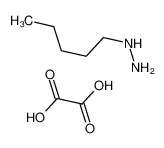
- 7404-49-1
- C7H16N2O4
- 192.21300
- All (0)
- China (0)
- (0)
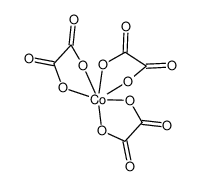
- 14239-07-7
- C6CoO12
- 322.99000
- All (0)
- China (0)
- (0)
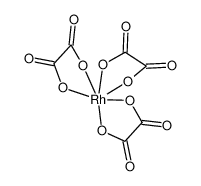
- 15602-35-4
- C6H6O12Rh
- 373.01014
- All (0)
- China (0)
- (0)
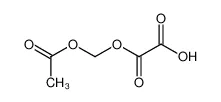
- 138450-69-8
- C5H6O6
- 162.09800
- All (0)
- China (0)
- (0)
- 67856-71-7
- C4H8N4O4S
- 208.19600
- All (0)
- China (0)
- (0)
- 15248-76-7
- C2H2NaO4
- 113.02500
- All (0)
- China (0)
- (0)
- 105772-25-6
- C16H16N2O12
- 428.30400
- All (0)
- China (0)
- (0)
- 37913-34-1
- C4H7NO5
- 149.10200
- All (0)
- China (0)
- (0)
- 934489-56-2
- C16H15NO3
- 269.29500
- All (0)
- China (0)
- (0)
Related Products More >

- 144-62-7
- USD 1.0000
- 25kg
- 144-62-7
- USD 16.0000
- 25kg
- 996-98-5
- Request For Quotation
- 25kg/drum
- 856335-90-5
- Request For Quotation
- 25kg/ea
- 6153-56-6
- Request For Quotation
- 6153-56-6
- Request For Quotation
- 6153-56-6
- Request For Quotation
- 6153-56-6
- Request For Quotation
 沪ICP备2021018848号-5


Classification of Oxalic Acid
Oxalic acid is a polar covalent compound. It is not an ionic compound, but it does have significant polarity due to its molecular structure and the presence of polar functional groups.
Molecular Structure and Polarity
Oxalic acid consists of two carboxyl groups attached to a central carbon atom. Its molecular structure can be represented as:
HOOC-COOH
Carboxyl Groups and Polarity
The carboxyl groups in oxalic acid are highly polar. Each carboxyl group contains a carbonyl group and a hydroxyl group . The oxygen atoms in these groups are more electronegative than the carbon and hydrogen atoms, leading to an uneven distribution of electron density. This creates partial negative charges on the oxygen atoms and partial positive charges on the hydrogen atoms.
Carbonyl Group : The double bond between carbon and oxygen creates a significant dipole moment due to the difference in electronegativity between carbon and oxygen . The oxygen atom attracts the shared electrons more strongly, resulting in a partial negative charge on the oxygen and a partial positive charge on the carbon.
Hydroxyl Group : The single bond between oxygen and hydrogen also creates a dipole moment. The oxygen atom is more electronegative than hydrogen, leading to a partial negative charge on the oxygen and a partial positive charge on the hydrogen.
Overall Molecular Polarity
The presence of two carboxyl groups in oxalic acid means that there are multiple polar regions within the molecule. These polar regions do not cancel each other out due to the molecular geometry, resulting in a net dipole moment for the entire molecule. This makes oxalic acid a polar compound.
Dissociation in Water
Oxalic acid is a weak diprotic acid, meaning it can donate two protons in aqueous solution. When dissolved in water, oxalic acid partially dissociates into ions:
H
2
C
2
O
4
⇌H
+
+HC
2
O
4
−
HC
2
O
4
−
⇌H
+
+C
2
O
4
2−
First Dissociation Step:
H
2
C
2
O
4
⇌H
+
+HC
2
O
4
−
In this step, one proton is donated from one of the carboxyl groups, forming the hydrogen oxalate ion .
Second Dissociation Step:
HC
2
O
4
−
⇌H
+
+C
2
O
4
2−
In this step, the second proton is donated, forming the oxalate ion .
Relationship Between Dissociation and Polarity
The dissociation of oxalic acid in water is directly related to its classification as a polar compound:
Polar Nature: The polar carboxyl groups in oxalic acid facilitate its interaction with water molecules. Water is a polar solvent, and polar solutes like oxalic acid dissolve well in it due to the strong dipole-dipole interactions between the solute and solvent molecules.
Dissociation and Solubility: The ability of oxalic acid to dissociate into ions in water further enhances its solubility. The formation of ions allows for even stronger interactions with water molecules, as the ions can form ion-dipole interactions with the polar water molecules.
Acidic Properties: The dissociation of oxalic acid into H⁺ ions is what gives it its acidic properties. The presence of these ions in solution is a direct result of the polar nature of the carboxyl groups and the molecule's ability to form hydrogen bonds with water.
Practical Implications
Solubility: Oxalic acid is highly soluble in water due to its polar nature and the ability to form hydrogen bonds with water molecules. This makes it useful in various applications, including cleaning agents and chemical reactions where water is the solvent.
Chemical Reactions: The dissociation of oxalic acid into ions allows it to participate in various chemical reactions, such as neutralization reactions with bases and redox reactions.
Biological and Environmental Impact: In biological systems, oxalic acid can form insoluble salts with calcium , which can lead to the formation of kidney stones. In the environment, oxalic acid can affect soil chemistry and the solubility of minerals.
Conclusion
In summary, oxalic acid is a polar covalent compound due to the presence of polar carboxyl groups in its molecular structure. These carboxyl groups create significant dipole moments, making the molecule polar. Oxalic acid dissociates into ions in water, which enhances its solubility and allows it to participate in various chemical reactions. The ability to form hydrogen bonds with water and dissociate into ions is a direct result of its polar nature. Understanding the molecular structure and behavior of oxalic acid helps explain its properties and applications in chemistry and biology. I hope this detailed explanation answers your questions about oxalic acid!
Oxalic acid is a polar covalent compound. It is not an ionic compound because it consists of covalently bonded atoms rather than ions held together by electrostatic forces. Oxalic acid is a dicarboxylic acid, meaning it has two carboxyl groups attached to a carbon chain. These carboxyl groups play a crucial role in determining the polarity of the molecule.
Definition of Polarity
Polarity in molecules is determined by the distribution of electron density within the molecule. A polar molecule has an uneven distribution of electron density, resulting in regions of partial positive and negative charge. This is typically due to differences in electronegativity between the atoms in the molecule. In oxalic acid, the carboxyl groups are highly polar due to the presence of oxygen atoms, which are more electronegative than carbon and hydrogen.
How do the carboxyl groups in oxalic acid affect its molecular polarity?
The carboxyl groups in oxalic acid are highly polar due to the presence of oxygen atoms, which are more electronegative than carbon and hydrogen. In each carboxyl group , the oxygen atoms form polar covalent bonds with the carbon atom. The electronegativity difference between oxygen and hydrogen leads to a partial negative charge on the oxygen atoms and a partial positive charge on the hydrogen atoms. This creates a dipole moment within each carboxyl group.
When these two carboxyl groups are attached to a carbon chain, the resulting molecule has an overall dipole moment. The molecule is not symmetrical, and the polarities of the carboxyl groups do not cancel each other out. Instead, they combine to create a net dipole moment for the entire molecule, making oxalic acid a polar compound.
Does oxalic acid dissociate into ions in water, and if so, how does this relate to its classification as a polar compound?
Yes, oxalic acid dissociates into ions in water. When oxalic acid is dissolved in water, it can donate protons to the water molecules, forming oxalate ions and hydronium ions . This process is known as ionization or dissociation. The ionization of oxalic acid in water can be represented by the following equilibrium:
H₂C₂O₄ +H₂O ⇌HC₂O₄⁻ +H₃O⁺
HC₂O₄⁻ +H₂O ⇌C₂O₄²⁻ +H₃O⁺
The ability of oxalic acid to dissociate into ions in water is related to its polarity. The polar nature of the carboxyl groups allows the molecule to interact strongly with water molecules, which are also polar. The oxygen atoms in the carboxyl groups can form hydrogen bonds with water molecules, facilitating the dissociation process. This interaction is crucial for the acid to donate protons and form ions in solution.
Solutions and Considerations
Understanding the polarity and ionization of oxalic acid is important for various applications. For example, in laboratory settings, oxalic acid is used as a cleaning agent due to its ability to dissolve metal oxides. In industrial processes, it is used in the production of various chemicals. Additionally, understanding its behavior in water is crucial for environmental and biological applications, as oxalic acid can affect soil chemistry and human health.
Oxalic acid is a polar covalent compound. It is not an ionic compound because it consists of covalently bonded atoms rather than ions held together by electrostatic forces. Oxalic acid is a dicarboxylic acid, meaning it has two carboxyl groups attached to a carbon chain. These carboxyl groups play a crucial role in determining the polarity of the molecule.
Classification Discussion
Oxalic acid is classified as a polar covalent compound based on its molecular structure. The presence of polar covalent bonds within the molecule, particularly in the carboxyl groups, leads to regions of partial charge. This results in a net dipole moment for the entire molecule, making it polar.
Case Study: Carboxyl Groups and Molecular Polarity
The carboxyl groups in oxalic acid are highly polar due to the presence of oxygen atoms, which are more electronegative than carbon and hydrogen. In each carboxyl group, the oxygen atoms form polar covalent bonds with the carbon atom. The electronegativity difference between oxygen and hydrogen leads to a partial negative charge on the oxygen atoms and a partial positive charge on the hydrogen atoms. This creates a dipole moment within each carboxyl group.
When these two carboxyl groups are attached to a carbon chain, the resulting molecule has an overall dipole moment. The molecule is not symmetrical, and the polarities of the carboxyl groups do not cancel each other out. Instead, they combine to create a net dipole moment for the entire molecule, making oxalic acid a polar compound.
Does oxalic acid dissociate into ions in water, and if so, how does this relate to its classification as a polar compound?
Yes, oxalic acid dissociates into ions in water. When oxalic acid is dissolved in water, it can donate protons to the water molecules, forming oxalate ions and hydronium ions . This process is known as ionization or dissociation. The ionization of oxalic acid in water can be represented by the following equilibrium:
H₂C₂O₄ +H₂O ⇌HC₂O₄⁻ +H₃O⁺
HC₂O₄⁻ +H₂O ⇌C₂O₄²⁻ +H₃O⁺
The ability of oxalic acid to dissociate into ions in water is related to its polarity. The polar nature of the carboxyl groups allows the molecule to interact strongly with water molecules, which are also polar. The oxygen atoms in the carboxyl groups can form hydrogen bonds with water molecules, facilitating the dissociation process. This interaction is crucial for the acid to donate protons and form ions in solution.
Solutions and Considerations
Understanding the polarity and ionization of oxalic acid is important for various applications. For example, in laboratory settings, oxalic acid is used as a cleaning agent due to its ability to dissolve metal oxides. In industrial processes, it is used in the production of various chemicals. Additionally, understanding its behavior in water is crucial for environmental and biological applications, as oxalic acid can affect soil chemistry and human health.