


 Home
Home
The question "What replacement is zinc chloride?" suggests a scenario where zinc chloride is being considered for a specific application, and alternatives are being sought.
Derived Questions:
1.What other compounds can be used as Lewis acids in place of zinc chloride?
2.In what specific applications can zinc sulfate serve as a replacement for zinc chloride?
What replacement is zinc chloride?
Related Encyclopedia
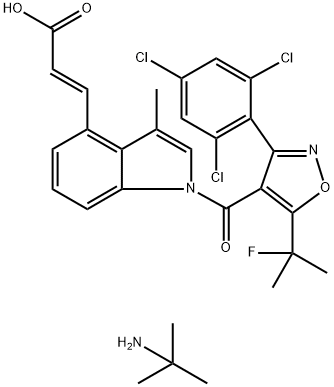
- 1898207-64-1
- C29H29Cl3FN3O4
- 608.92
- All (0)
- China (0)
- (0)
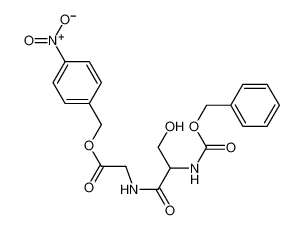
- 26054-98-8
- C20H21N3O8
- 431.39604
- All (0)
- China (0)
- (0)
Related Products More >

- 75-56-9
- Request For Quotation
- Request For Quotation
- 1310-73-2
- Request For Quotation
- 108-80-5
- USD 50.0000
- 50kg
- 108-78-1
- USD 4.5000
- 25kg
- 4559-86-8
- USD 750.0000
- 170kg
 沪ICP备2021018848号-5


For example, in organic synthesis, zinc chloride is often used as a Lewis acid to catalyze reactions. In this case, other Lewis acids such as aluminum chloride, boron trifluoride, or titanium tetrachloride could serve as replacements. The choice of Lewis acid will depend on factors such as its reactivity, solubility, and compatibility with the other reactants in the system.
In galvanizing processes, zinc chloride is used to deposit zinc onto a metal surface. In this case, zinc sulfate could serve as a replacement for zinc chloride. Zinc sulfate is less corrosive and has a lower environmental impact compared to zinc chloride, making it a more sustainable choice for some applications.
Answer to the Derived Questions:
What other compounds can be used as Lewis acids in place of zinc chloride?
In addition to aluminum chloride, boron trifluoride, and titanium tetrachloride, other compounds that can be used as Lewis acids in place of zinc chloride include tin chloride, iron chloride, and scandium trifluoride. The choice of Lewis acid will depend on the specific reaction conditions and the desired outcome. For example, some Lewis acids may be more reactive or selective than others, and may require different reaction temperatures or solvents.
In what specific applications can zinc sulfate serve as a replacement for zinc chloride?
Zinc sulfate can serve as a replacement for zinc chloride in galvanizing processes where a less corrosive and more environmentally friendly alternative is desired. Zinc sulfate has a lower solubility in water compared to zinc chloride, which can result in a slower deposition rate and a more uniform coating. Additionally, zinc sulfate is less likely to cause hydrogen embrittlement in the deposited zinc layer, making it a suitable choice for applications where strength and durability are critical.
Notes on Usage and Application:
When using zinc chloride or its replacements, it's important to consider factors such as toxicity, corrosion, and environmental impact. Proper handling and disposal of these compounds are essential to minimize their potential hazards. Additionally, it's important to conduct thorough testing to ensure that the replacement compound performs as expected in the specific application. By carefully selecting and testing replacement compounds, researchers and engineers can optimize the performance and sustainability of their processes.
Zinc chloride can also be involved in single replacement reactions. When a more reactive metal like magnesium (Mg) is placed in a solution of zinc chloride, magnesium can replace zinc, resulting in the formation of magnesium chloride (MgCL2) and zinc metal. The reaction is as follows: Mg+ZnCL2→MgCL2+Zn. These replacement reactions are important in various chemical processes and are useful in fields such as metallurgy, electrochemistry, and the synthesis of different zinc compounds.