


 Home
Home
Hi, I’d like to ask something that’s been worrying me. I enjoy having a few drinks with friends on weekends, but lately, I’ve noticed some discomfort when going to the bathroom. I read online that alcohol can affect digestion and even cause issues like hemorrhoids. I’m not sure if that’s really true or just an exaggeration. Can drinking alcohol actually lead to hemorrhoids, or does it just make them more painful and noticeable? And if it does have an effect, what’s the reason behind it?
Can Alcohol Cause Hemorrhoids and Why Does Drinking Make Symptoms Worse?
Related Encyclopedia
- 150188-64-0
- C10H13NO3
- 195.22
- All (0)
- China (0)
- (0)
- 6710-83-4
- C3H6N2O2
- 102.09200
- All (0)
- China (0)
- (0)
- 282116-88-5
- C12H15BrO3
- 287.15000
- All (0)
- China (0)
- (0)
- 892691-05-3
- C16H11NO3
- 265.26300
- All (0)
- China (0)
- (0)
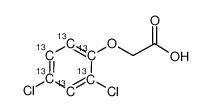
- 150907-52-1
- C2H6Cl2O3-13C6
- 227.00000
- All (0)
- China (0)
- (0)
![1H-Indole-3-acetic acid, α-[[(1,1-dimethylethoxy)carbonyl]amino]-](https://chemcloud-1304660855.cos.ap-shanghai.myqcloud.com/compound/853a650d610c4776a5d237235d1759bb.png?imageMogr2/format/webp)
- 58237-94-8
- C15H18N2O4
- 290.31400
- All (0)
- China (0)
- (0)
![2-[2-hydroxyethyl(tetradecyl)amino]ethanol](https://chemcloud-1304660855.cos.ap-shanghai.myqcloud.com/compound/646107526b314f96afdf50fea56f6788.png?imageMogr2/format/webp)
- 18924-66-8
- C18H39NO2
- 301.51000
- All (0)
- China (0)
- (0)
![Ethanol, 2-[(3-bromophenyl)methoxy]-](https://chemcloud-1304660855.cos.ap-shanghai.myqcloud.com/compound/e7ded56e48464d20b92f2bb0fab6b69d.png?imageMogr2/format/webp)
- 1149358-73-5
- C9H11BrO2
- 231.08600
- All (0)
- China (0)
- (0)
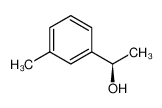
- 42070-91-7
- C9H12O
- 136.19100
- All (0)
- China (0)
- (0)
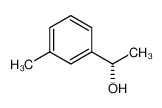
- 51154-53-1
- C9H12O
- 136.19100
- All (0)
- China (0)
- (0)
Related Products More >

- 68890-66-4
- CNY Request For Quotation
- 68890-66-4
- CNY Request For Quotation
- 108-01-0
- Request For Quotation
- 64-19-7
- Request For Quotation
- 64-17-5
- Request For Quotation
- 111-76-2
- Request For Quotation
- 110-80-5
- Request For Quotation
- 67-56-1
- Request For Quotation
 沪ICP备2021018848号-5


Also, alcohol can irritate your digestive system and increase swelling in blood vessels. That includes the ones around your rectum, which means symptoms like itching, pain, or bleeding can feel stronger after a night of drinking. People who drink heavily may also eat fewer fiber-rich foods, and that makes constipation worse too.
So, while alcohol isn’t the root cause, it definitely plays a role in making hemorrhoids more uncomfortable. If you limit your intake, stay hydrated, and eat plenty of fruits and vegetables, you’ll notice things feel a lot better. For many, just balancing those habits makes a big difference.
Beyond its immediate vascular effects, alcohol significantly influences gastrointestinal function, primarily through its dehydrating properties. Adequate hydration is fundamental for maintaining soft stool consistency. Alcohol inhibits the release of vasopressin, an antidiuretic hormone, leading to increased urine production and subsequent fluid loss from the body. This state of dehydration often results in harder, drier stools that are more difficult to pass. The straining associated with constipation is a primary mechanical cause of hemorrhoids, as it dramatically increases intra-abdominal pressure, forcing blood into the hemorrhoidal veins and impeding its return.
From a hepatic perspective, chronic alcohol use is a well-established cause of liver dysfunction, including cirrhosis. Portal hypertension, a consequence of advanced liver disease, occurs when scar tissue obstructs normal blood flow through the liver. This backup of pressure extends throughout the portal venous system, which includes the veins draining the rectum. The resulting venous engorgement, known as portosystemic anastomosis, can manifest as severely dilated hemorrhoids, representing a more serious clinical scenario directly linked to long-term alcohol-induced organ damage.
Furthermore, dietary and behavioral patterns often associated with alcohol consumption can compound these physiological mechanisms. Drinking sessions may replace nutrient-rich meals and hydration with empty calories, exacerbating constipation. Additionally, certain alcoholic beverages, particularly red wine and some spirits, can be irritating to the gut lining for some individuals, potentially altering bowel habits and contributing to digestive discomfort that might encourage straining. The interplay between these direct pharmacological actions of alcohol and the indirect lifestyle factors creates a multifaceted risk profile. While an occasional drink may not precipitate issues in a healthy individual, habitual and heavy consumption establishes a physiological environment where the development of symptomatic hemorrhoids becomes markedly more probable, underscoring the importance of moderation and holistic dietary awareness for rectal vascular health.
First, alcohol exhibits vasodilatory properties: it relaxes the smooth muscle in blood vessel walls, including those in the peripheral circulation. Unlike most veins, the anorectal venous plexus lacks valves to prevent backflow, making it particularly susceptible to pressure buildup. When alcohol dilates these valveless veins, blood pools more easily, increasing their pressure and stretching their walls—a key step in the formation of both internal (inside the rectum) and external (around the anus) hemorrhoids.
Second, alcohol disrupts gastrointestinal function and hydration, which indirectly worsens hemorrhoid risk. Alcohol is a diuretic, meaning it increases urine output and can lead to mild dehydration. Dehydrated stool becomes harder and drier, requiring more forceful straining during bowel movements. This straining elevates intra-abdominal pressure, which is transmitted to the anorectal veins, further engorging them and potentially irritating existing hemorrhoids. Additionally, excessive alcohol intake may trigger acute diarrhea in some individuals; frequent, loose stools can irritate the anal mucosa and the sensitive venous plexus, worsening inflammation and discomfort associated with hemorrhoids.
A common misconception is that only heavy alcohol use affects hemorrhoids, but even regular moderate intake can contribute over time, especially in individuals with preexisting risk factors like chronic constipation, obesity, or a family history of hemorrhoids. In gastroenterology, recognizing alcohol as a modifiable risk factor is crucial for patient education and management—advising moderation or avoidance can help reduce symptom recurrence and prevent the progression of mild hemorrhoids to more severe forms that require medical intervention, such as rubber band ligation or surgical excision.