


 Home
-
 VoidCaller:Triglycerides are transported to the liver mainly by chylomicron remnants and intermediate-density lipoproteins (IDL). Chylomicrons, formed in the intestines to carry dietary triglycerides, are processed in the bloodstream: lipoprotein lipase (LPL), an enzyme on blood vessel walls, breaks down much of their triglyceride content, releasing fatty acids for tissues. The remaining chylomicron remnants are taken up by the liver via specific receptors. Triglycerides made in the liver are packaged into very-low-density lipoproteins (VLDL) and released; as VLDL circulates, LPL breaks down its triglycerides, turning VLDL into IDL, which is then cleared by the liver. Before reaching the liver, triglycerides undergo key changes. Dietary triglycerides in chylomicrons lose most fatty acids through LPL-mediated hydrolysis, shrinking into smaller remnants. Liver-produced triglycerides in VLDL undergo similar hydrolysis, reducing their load and transforming the lipoprotein to form IDL, which the liver more easily recognizes. Exercise boosts transport efficiency by increasing LPL activity, speeding triglyceride breakdown in chylomicrons and VLDL, and aiding clearance of remnants and IDL by the liver. A diet high in refined sugars or saturated fats overstimulates VLDL production, overwhelming LPL and slowing clearance, while omega-3 rich diets may improve LPL function. Diseases can disrupt this process. Lipoprotein lipase deficiency, a rare genetic disorder, impairs triglyceride breakdown, preventing remnant or IDL formation and causing severe hypertriglyceridemia. Liver diseases like cirrhosis damage liver receptors, reducing uptake, and type 2 diabetes, via insulin resistance, lowers LPL activity, delaying transport.
-
 ShadowedSonnet
Does more carbon dioxide in the atmosphere mean hotter or colder global temperatures over time?
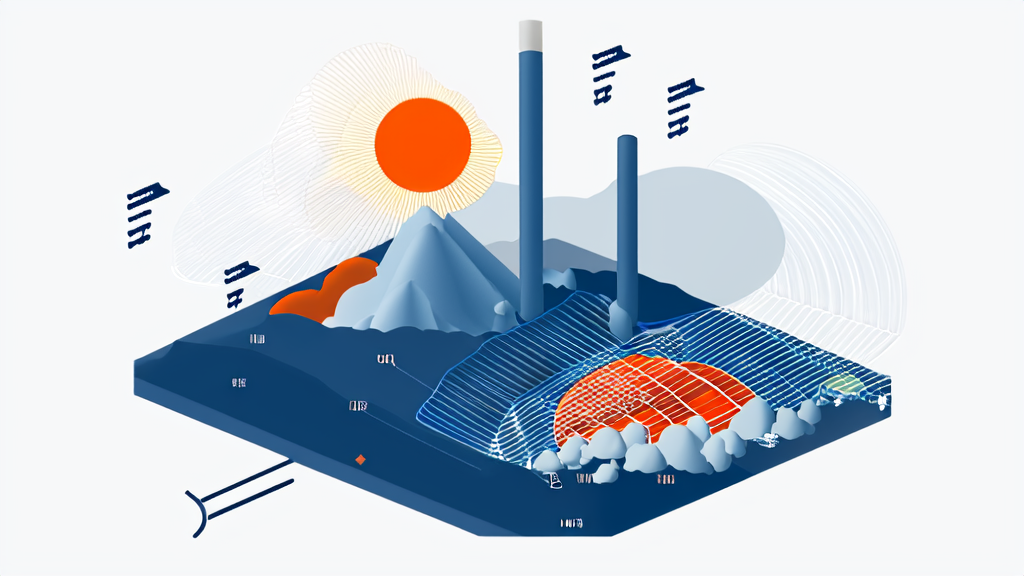 VirtualVoid:More carbon dioxide in the atmosphere leads to hotter temperatures, as it is a key greenhouse gas. The way carbon dioxide traps heat is through the greenhouse effect: sunlight reaches Earth’s surface, which absorbs the energy and emits it back as infrared radiation. Carbon dioxide molecules in the atmosphere absorb this infrared radiation, stopping much of it from escaping into space. This trapped heat warms the lower atmosphere, driving up overall temperatures. There is a clear direct link between rising carbon dioxide and global temperature. Since the Industrial Revolution, human activities like burning fossil fuels have pushed atmospheric carbon dioxide up by over 40%, and global average temperatures have risen by about 1.1 degrees Celsius. This connection is backed by data from ice cores, satellites, and weather stations worldwide. If carbon dioxide levels double from pre-industrial levels—from around 280 parts per million to 560 ppm—climate models suggest global temperatures could rise by 1.5 to 4.5 degrees Celsius. This range depends on feedbacks like melting ice, which reduces the reflection of sunlight, and more water vapor in the air, another greenhouse gas that amplifies warming. Past climate records support this relationship. Ice cores from Antarctica, which hold ancient air bubbles, show that over the last 800,000 years, periods with higher carbon dioxide levels matched warmer temperatures, such as during interglacial periods, while lower levels coincided with colder ice ages. This historical pattern lines up with today’s observations, underscoring carbon dioxide’s role in regulating Earth’s temperature.
-
 Damian:Red Dead Redemption 2 (RDR2) did not take home the Game of the Year (GOTY) title at major 2018 award ceremonies, though it earned widespread nominations across the industry’s top events. It was shortlisted for GOTY at The Game Awards (TGA), where it faced off against heavyweights like God of War—ultimately the winner—alongside Marvel's Spider-Man, Monster Hunter: World, and Celeste. Similar nods came from the DICE Awards, BAFTA Games Awards, and Game Critics Awards, with God of War consistently emerging as its closest rival in these races. Critically, RDR2 was a standout, scoring in the high 90s on review aggregators like Metacritic. Reviewers praised its staggering attention to detail, from the dynamic weather system to the nuanced interactions with NPCs, calling its open world one of the most immersive ever crafted. Its narrative, focusing on the decline of the Van der Linde gang, was lauded for emotional depth and character development. God of War, the 2018 GOTY, also earned near-perfect scores, celebrated for reimagining the series with a heartfelt father-son story, a seamless single-take presentation, and a fluid combat system that blended strategy and action. While both games dominated year-end lists, God of War’s tighter focus on pacing and innovative gameplay often gave it the edge, though RDR2’s ambition and realism cemented its status as a landmark in open-world design, sparking ongoing debates among fans about which truly deserved the top honor.
-
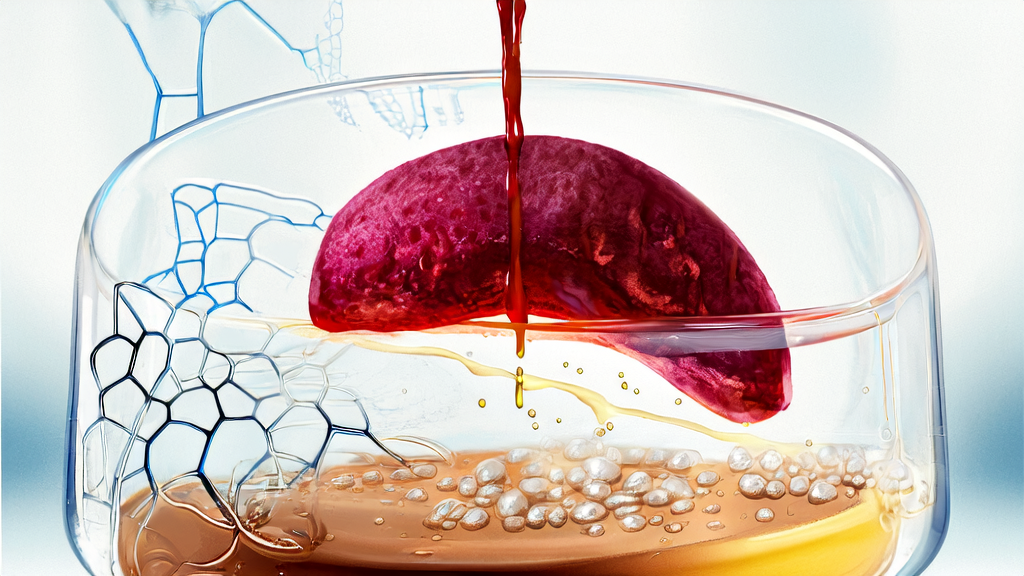 Ava:Hydrochloric acid in the rumen, part of digestive fluids for breaking down food, moves upward with rumen contents during vomiting. This reverse flow is driven by strong contractions of abdominal and esophageal muscles, which override the normal downward movement of digestive materials. As it travels upward, hydrochloric acid comes into contact with various substances. In the rumen, it interacts with food, enzymes, and other digestive juices. Moving through the esophagus, it mixes with partially digested food and mucus from the esophageal lining. These interactions slightly alter its environment but leave its corrosive properties mostly unchanged. The concentration of hydrochloric acid may drop a little as it passes through the esophagus, diluted by saliva and mucus. These fluids, secreted to protect tissues, buffer the acid somewhat. Even so, the acid remains potent enough to cause damage. Contact with hydrochloric acid can harm the esophagus, throat, and other organs. The esophageal lining is not built to handle strong acid, so exposure leads to irritation, inflammation, or tissue erosion, causing burning, pain, or difficulty swallowing. The throat may become sore or burn. Repeated or severe vomiting with acid can lead to ulcers, scarring, or long-term damage to the esophageal lining, raising the risk of complications.
-
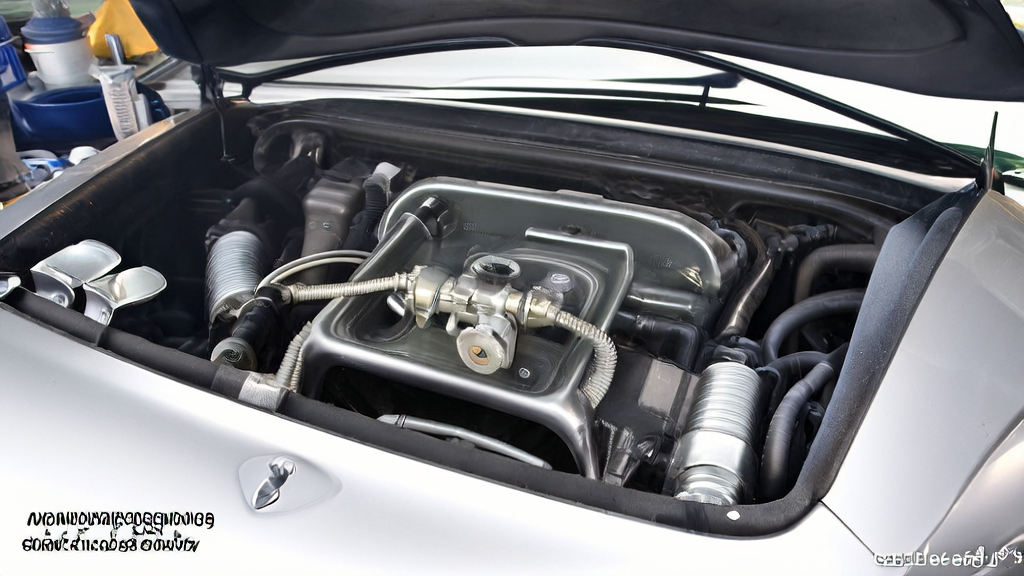 Zane:Replacing a faulty oxygen sensor in a Kia Soul starts with parking on a level surface, turning off the engine, and letting it cool to prevent burns. Sensor locations vary by model year. For 2010-2013 models, the main sensor is near the exhaust manifold, with a secondary one (if present) after the catalytic converter. 2014 and newer models usually have two: one upstream (before the catalytic converter) and one downstream (after), both along the exhaust pipe. Special tools help: an oxygen sensor socket (for the hex head), a ratchet, and a torque wrench. Ordinary tools like adjustable wrenches often fail in tight spaces and can damage parts. To check compatibility, match the new sensor’s OEM part number to the vehicle’s specs. Use the VIN (on the driver’s side door jamb) to confirm year, make, and engine type. Disconnect the old sensor’s electrical connector first, then remove it. Coat the new sensor’s threads with anti-seize (keep off the sensor element) and tighten to 30-35 ft-lbs. Avoid damage by working on a cool exhaust, using the sensor socket to prevent rounded heads, and handling wiring gently. After installation, use an OBD-II scanner to clear fault codes—this resets the system, ensuring the new sensor works and the check engine light turns off.
-
 Michael:Diet Coke does contain phosphoric acid, an ingredient found in many cola-style carbonated drinks. Its main jobs in the beverage are to shape the taste and help with preservation. By adjusting the drink’s acidity, it creates that bright, tangy flavor that cuts through the sweetness of artificial sweeteners, giving Diet Coke its distinct crispness. It also aids in keeping the drink stable over time by maintaining a consistent pH level, which slows the growth of microbes and helps extend its shelf life. The amount of phosphoric acid in Diet Coke is relatively small—about 100 to 150 mg in a 12-ounce serving. While high levels of phosphoric acid can affect calcium absorption by throwing off the balance between calcium and phosphorus in the body, leading to more calcium being excreted, moderate consumption is rarely a problem. For most people, having one or two servings a day, especially alongside a diet with enough calcium, isn’t likely to cause significant issues. When compared to other carbonated drinks, Diet Coke’s phosphoric acid content is similar to regular Coca-Cola, with small differences based on exact recipes. Non-cola drinks, like lemon-lime sodas such as Sprite, usually use citric acid instead, so they have little to no phosphoric acid. Other cola brands generally have comparable amounts to Diet Coke, with only minor variations depending on how their formulas are mixed.
-
 Xavier:EE Telecom does not depend on O2's network for its core operations, as it maintains its own independent 4G and 5G infrastructure across the UK, a network widely regarded for its robust performance. While there are some limited, localized partnerships—such as shared small cell deployments in high-traffic areas like airports or shopping malls to boost coverage in crowded spots—these collaborations are not part of EE’s main network setup and do not indicate a broader reliance. In terms of user experience, EE’s standalone network often delivers faster data speeds, which translates to smoother experiences for activities like video calls, online gaming, or streaming high-definition content. Its signal stability is generally strong, though in extremely dense urban areas during peak hours, minor slowdowns can occur due to heavy user load. O2’s network, by contrast, tends to excel in voice call clarity, particularly in rural or suburban areas where its older 3G/2G infrastructure penetrates buildings more effectively, making it reliable for basic communication. When it comes to regional coverage, EE’s independent network has a wider reach in remote areas, including rural villages and hilly regions, where users are more likely to get consistent signals. O2, while expanding through initiatives like rural network sharing, still has gaps in these areas. In cities, both networks perform well, but EE’s focus on high-capacity 5G means it often handles data-heavy tasks more efficiently, though O2 may offer steadier service in specific neighborhoods with less congestion. These differences mean users’ experiences can vary based on where they live and how they use their devices.
-
 Dorian:Controlling sulfuric acid concentration involves adjusting the mix of pure acid and water, with methods differing between labs and industries. In laboratories, concentration is managed through careful dilution: concentrated acid is added slowly to water—never the other way around—using tools like pipettes, burettes, and volumetric flasks for precision. This prevents sudden heat spikes. Industries use larger systems, such as automated mixers with flow meters and pH sensors, to regulate acid-to-water ratios in batches or continuous processes, keeping concentrations steady for production. Different concentrations need different handling. Concentrated sulfuric acid (95-98%) is highly corrosive and releases lots of heat when mixed with water, so dilution must be slow, with constant stirring, to avoid splashing. Dilute solutions (10-30%) are less reactive but still require care, as they can burn skin. Testing concentration can be done via titration: a sample reacts with a known base like sodium hydroxide, and an indicator shows when the reaction finishes, revealing the acid’s strength. Hydrometers measure density, which links to concentration, while refractometers work for dilute solutions by tracking how light bends. Poor control brings risks. Splashing happens if water is added to concentrated acid, as the heat can boil water and spatter acid. Strong reactions with metals like iron release flammable hydrogen gas, and contact with organic materials like wood can cause charring or fires. Even small spills of concentrated acid can damage skin, eyes, or equipment, making strict handling rules essential.
-
 GoldenSavannah:The correct chemical formula for hydrochloric acid is HCl. This formula arises from the elements that constitute it: hydrogen (H) and chlorine (Cl). In its pure, gaseous state, hydrochloric acid exists as molecules where one hydrogen atom forms a bond with one chlorine atom, creating the 1:1 ratio that the formula HCl represents. This ratio is fixed because hydrogen typically donates one electron and chlorine accepts one, leading to a stable bond between the two atoms. When hydrochloric acid is mixed with water to form an aqueous solution, the formula is written as HCl(aq). The "(aq)" denotes that the substance is dissolved in water, but the core composition of hydrogen and chlorine remains unchanged. In this solution, the compound dissociates into hydrogen ions (H+) and chloride ions (Cl-), which are responsible for its acidic properties, yet the formula itself does not alter to reflect this dissociation; it merely includes the aqueous indicator. In terms of other chemical notations, hydrochloric acid has a straightforward structural representation due to its status as a simple diatomic molecule. In its gaseous form, the structural formula is often depicted as H-Cl, where the dash signifies the single covalent bond linking the hydrogen and chlorine atoms. This structural notation emphasizes the bond that holds the two atoms together, though for most chemical reactions and general use, the basic formula HCl is sufficient.
-
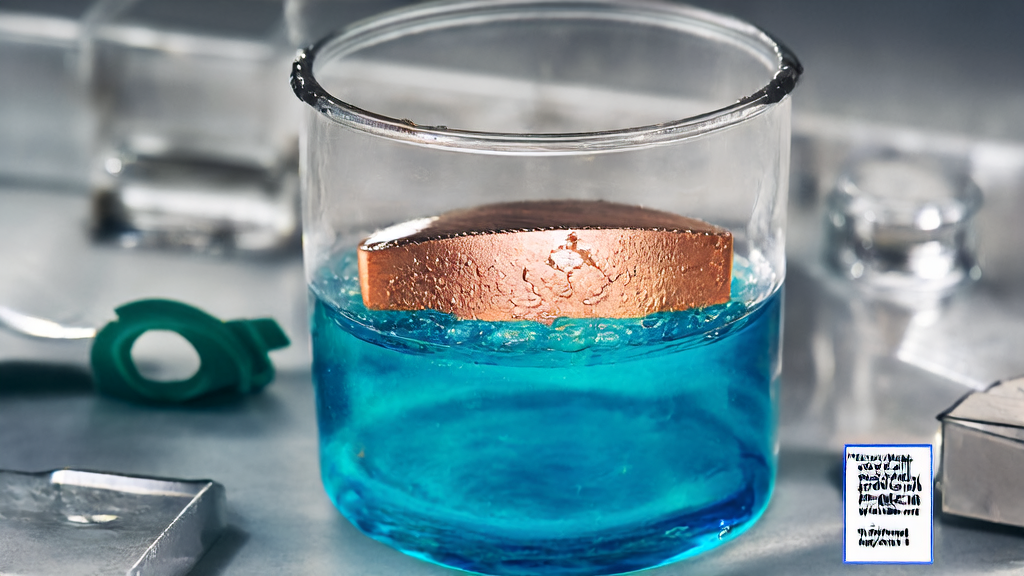 GulagGhost:Sulfuric acid can interact with copper, but the nature of the interaction depends on the acid’s concentration and the temperature. Dilute sulfuric acid rarely causes visible reactions with copper under normal conditions. This is because copper is less reactive than hydrogen, so it cannot displace hydrogen ions from the dilute acid, leaving the metal largely unchanged. Concentrated sulfuric acid, however, can react with copper, especially when heated. The heat enhances the acid’s oxidizing properties, allowing it to break down the copper’s surface. As the reaction proceeds, the copper begins to dissolve, and the solution gradually turns blue due to the formation of copper sulfate, which dissolves in the remaining liquid. A distinct gas is produced during this reaction: sulfur dioxide, which has a sharp, suffocating odor that is easily noticeable. No solid precipitate forms because the copper sulfate remains dissolved in the solution, keeping the mixture clear aside from its blue tint. Temperature plays a critical role in this process. Without heat, the reaction between concentrated sulfuric acid and copper is extremely slow, with little to no visible change even over time. Heating accelerates the reaction significantly, making the copper’s dissolution obvious and increasing the volume of sulfur dioxide released, which becomes more apparent through both smell and, in some cases, slight fuming.

Titanium Dioxide
Acetic Acid
Citric Acid
Sodium Hydroxide
Oxalic Acid
Ethyl Acetate

Sign in/Join free
 All Categories
 |
-
Basic Chemicals
Others | Oxides And Peroxides -
Rubber&Plastic Ingredients
Rubber Chemicals | Chemical Fiber Chemicals -
Other Chemicals
Pharmaceutical Intermediates | Plant Extracts -
Food And Feed Additives
Plant Extract | Nutritional Enhancer -
Daily Chemicals
Cosmetic Ingredients | Chemicals For Cosmetics -
Flavors And Fragrances
Preservative | Flavor And Fragrance -
Dyes And Pigments
Pigments | Dye -
Catalyst And Auxiliary
Catalyst And Auxiliary | Antioxidants -
Water Treatment Agent
Water Treatment Chemicals | Water Treatment Agent
Services
Language
|
|

 4 Comments








 沪ICP备2021018848号-5


