


 Home
-
 Jareth:Cocoa butter’s fatty acid makeup, including stearic acid, palmitic acid, and oleic acid, influences its pore-clogging potential. Stearic acid is generally non-comedogenic, while palmitic acid has mild pore-blocking tendencies, and oleic acid can be slightly clogging in some cases, though not as strongly as highly problematic substances. For those with oily skin, which already produces excess sebum, using cocoa butter may raise the risk of clogged pores. The combination of natural skin oils and cocoa butter’s fats can create a thicker mixture that traps dead skin cells and debris in hair follicles, leading to issues like blackheads or whiteheads. When used on the face versus the body, cocoa butter is more likely to cause clogging on the face. Facial skin is thinner and has more sebaceous glands, especially in areas like the T-zone, making it more prone to congestion. Body skin, being thicker with fewer sebaceous glands in most areas, is less likely to develop clogs from the same amount of cocoa butter. Purity affects cocoa butter’s clogging tendency. Unrefined cocoa butter may retain small plant particles or impurities that can contribute to pore blockages. Refined cocoa butter, processed to remove such impurities, is smoother and less likely to cause congestion, though it can still contribute to clogs in those with very sensitive or oily skin, depending on how much and how often it is used.
-
 EmberVale:The Lower Explosive Limit (LEL) of hydrogen (H2) is 4.0% by volume in air. This value represents the minimum concentration of hydrogen in air that can ignite and sustain combustion. Below this threshold, the mixture is too lean to burn. The LEL is determined experimentally through standardized tests, such as those conducted in closed chambers where hydrogen-air mixtures are ignited under controlled conditions. Scientists gradually adjust the concentration until they identify the lowest level capable of supporting a self-propagating flame. In industrial settings like factories, the H2 LEL safety standard is typically set at 1% (25% of the LEL). This conservative threshold allows a safety margin to prevent accidental ignition. Factories often handle large volumes of hydrogen, increasing the risk of leaks and potential explosions. Laboratories, however, may have stricter standards, sometimes as low as 0.5% LEL (12.5% of the LEL), due to the presence of sensitive equipment, open flames from Bunsen burners, or electrical sparks. These environments require precise control to minimize risks during experiments. If the hydrogen concentration exceeds the LEL, even a small spark or heat source can trigger a violent explosion. Hydrogen’s wide flammable range (4.0%–75.6% by volume) and high flame velocity make such incidents particularly hazardous. To maintain safety, facilities should implement continuous monitoring systems with sensors calibrated to detect hydrogen leaks early. Ventilation systems must be designed to disperse any accumulated hydrogen quickly. Additionally, all equipment should be certified as explosion-proof, and workers should receive training on proper handling procedures and emergency responses. Regular maintenance and leak checks are crucial to prevent hydrogen buildup, ensuring concentrations remain well below the LEL at all times.
-
 Mech (Sword):Propanol overdose, especially with isopropanol, can directly lower the seizure threshold, though this is less common than with alcohols like ethanol or methanol. The mechanism involves disrupting central nervous system neurotransmission. Isopropanol is metabolized to acetone in the liver, and this acetone accumulates in the central nervous system, where it inhibits gamma-aminobutyric acid (GABA) receptors—key inhibitory neurotransmitter systems. Reduced GABAergic activity lowers the threshold for neuronal hyperexcitability, making seizures more likely as excitatory signals, such as those mediated by glutamate, become unbalanced. Acetone may also interfere with ion channel function in neurons, further destabilizing membrane potentials and promoting abnormal electrical discharges. Clinical evidence includes case reports of isopropanol intoxication leading to seizures, particularly in severe overdoses. A 2018 study in the Journal of Toxicology described three patients with serum isopropanol levels over 500 mg/dL who developed generalized tonic-clonic seizures, with no prior history of epilepsy. Animal studies, such as a 2020 investigation in Toxicology Letters, showed that rats exposed to high isopropanol doses had lower seizure thresholds when challenged with convulsants like pentylenetetrazol. The severity of overdose correlates with the degree of threshold reduction. Mild overdoses, with serum levels below 200 mg/dL, rarely cause seizures. Moderate to severe cases, with levels over 300 mg/dL, show a higher incidence, with seizures becoming more frequent and intense as concentrations rise, reflecting the dose-dependent nature of the neurotransmitter imbalance.
-
 ChaosPulse:Effective dietary steps to lower triglycerides include eating more fiber-packed foods like whole grains, legumes, vegetables, and fruits. These help steady blood sugar and cut down on fat storage. Fatty fish such as salmon, mackerel, and sardines, along with flaxseeds and walnuts, are good too because they have omega-3 fatty acids that slow triglyceride making in the liver. It’s important to cut back on refined carbs like white bread and pastries, which break down fast into sugars the liver turns into triglycerides. Added sugars in sodas and candies, as well as saturated fats from red meat and full-fat dairy, and trans fats in fried foods, should be limited since they push triglyceride levels up. Exercise helps lower triglycerides by making the body better at burning fat for energy, which reduces how much circulates in the blood. It also boosts insulin sensitivity, so cells use glucose more effectively, and the liver makes less triglycerides. Aerobic exercises like brisk walking, cycling, swimming, or jogging work well. Doing 150 minutes of moderate aerobic activity each week, spread over five days, or 75 minutes of more intense activity, can make a difference. Medications such as fibrates are often needed when triglycerides stay very high, usually over 500 mg/dL, even after lifestyle changes. This is because such high levels raise pancreatitis risk. Other reasons include having conditions like type 2 diabetes, metabolic syndrome, or heart issues, which can make triglyceride problems worse. Doctors also look at other lipid levels, like low HDL or high LDL cholesterol, and the person’s overall health to decide if fibrates or similar drugs are necessary, making sure the treatment fits their specific situation.
-
 GlacierWarden:You cannot use just any carbon dioxide (CO2) cartridge in a Umarex airgun. Most Umarex models require specific sizes and pressure levels to work safely and well. The most common are 12-gram cartridges, used in pistols and small rifles, and 88-gram cylinders, meant for larger rifles like the AirJavelin. These cartridges typically operate at around 850 PSI. 12-gram cartridges are usually non-threaded, while 88-gram ones have specific thread patterns, and their physical dimensions—like diameter and length—must match the gun’s chamber. Using an unsuitable cartridge hurts performance. A cartridge with too little pressure may fail to cycle the gun properly, leading to fewer shots or inconsistent power. Overly large or high-pressure cartridges can damage internal parts like seals, valves, or the CO2 chamber. If the cartridge’s size or threads don’t fit, leaks are likely. This causes gas to escape quickly, wasting CO2 and potentially harming O-rings or other seals. To check compatibility, start with the user manual, which lists the exact cartridge size and pressure for your Umarex model. Compare the cartridge’s dimensions—12-gram ones are roughly 83x18.5 mm and non-threaded, for example—to the gun’s chamber. Check Umarex’s official website for guidance, as some models, like the Komplete NCR, can’t use 88-gram cartridges. Using certified, genuine cartridges helps avoid issues. Signs of incompatibility include hissing sounds (leaks), failure to build pressure, or sudden loss of power when firing.
-
 MatryoshkaDoll:Burning fossil fuels does add carbon dioxide to the air. Fossil fuels like coal, oil, and gas are carbon-rich; when burned, they react with oxygen, releasing CO2 as a byproduct. This process has driven a notable rise in atmospheric CO2 over recent centuries. Each year, fossil fuel combustion emits roughly 36 billion metric tons of CO2. Coal contributes about 14 billion tons, oil around 15 billion tons, and natural gas some 7 billion tons. These figures fluctuate slightly yearly but trend upward with growing energy use. This is the main cause of rising atmospheric CO2 levels. Before the Industrial Revolution, CO2 hovered around 280 parts per million (ppm); today, it exceeds 420 ppm. Natural sources and sinks once balanced, but fossil fuel emissions now add more CO2 than natural processes can easily remove. The extra CO2 from fossil fuels spreads across three main areas: about 50% stays in the atmosphere, 25% is absorbed by oceans, and 25% is taken up by plants and terrestrial ecosystems. Natural processes cannot absorb all this excess CO2. Oceans and plants have limits to their absorption capacity, so leftover CO2 accumulates in the atmosphere. This traps heat, contributing to global warming, and the imbalance grows over time, making it harder to address without cutting emissions.
-
 StormSentry
How much carbon dioxide does a conventional car emit on average during a full tank of fuel consumption?
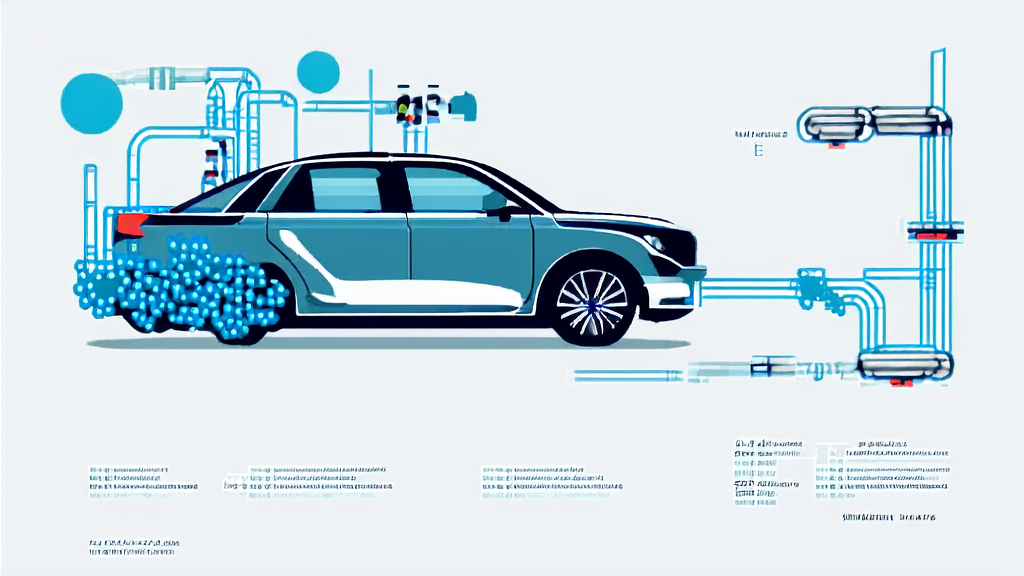 Anthony:A car generally emits about 2.3 kilograms of CO₂ per liter of gasoline burned and around 2.6 kilograms per liter of diesel. This comes from the carbon in fuel combining with oxygen during combustion, releasing CO₂ as a byproduct. Cars with different engine sizes do produce varying CO₂ amounts. Smaller engines, like 1.0 to 1.6 liters, usually burn less fuel per kilometer, leading to lower emissions—often 100 to 150 grams per kilometer. Larger engines, such as 3.0 liters or more, need more fuel to operate, especially under acceleration, resulting in higher emissions, sometimes over 200 grams per kilometer. This is because bigger engines require more energy to move their heavier parts and power larger vehicles. Driving speed affects CO₂ emissions too. At low speeds, like in stop-and-go city traffic, engines run inefficiently, burning more fuel per kilometer and emitting more CO₂. Moderate speeds, around 50 to 90 km/h, are more efficient, with stable fuel use and lower emissions. At speeds over 110 km/h, increased air resistance makes the engine work harder, burning more fuel and raising CO₂ output. Regular maintenance helps reduce CO₂ emissions. A well-maintained engine—with a clean air filter, properly tuned spark plugs, and correct tire pressure—burns fuel more completely, working efficiently. A dirty air filter restricts airflow, causing incomplete combustion and more fuel use. Low tire pressure increases rolling resistance, making the engine work harder. Neglected maintenance leads to inefficient fuel burn, directly increasing CO₂ output over time.
-
 Silas:Concentrated hydrochloric acid, usually around 37% by mass, has a pH near 0 because of its high hydrogen ion concentration. Dilute hydrochloric acid, such as a 0.1% solution, generally has a pH between 1 and 3, with the exact value depending on how much it is diluted. As the concentration of hydrochloric acid goes up, the number of hydrogen ions in the solution increases, making the pH lower. When the concentration goes down, the amount of hydrogen ions decreases, so the pH rises. It moves closer to 7, which is neutral, but never goes above 7 since hydrochloric acid is an acid. Several factors can affect pH measurements. Temperature affects how water molecules dissociate, which can slightly change pH readings, though this is more obvious with weak acids. Impurities in the acid, like other types of ions, might get in the way of the measurement by altering the activity of hydrogen ions. Common ways to measure pH include using pH meters, which give precise readings by detecting hydrogen ion activity, and pH indicator papers, which change color to show an approximate pH. For daily use, pH indicator papers are more convenient because they are simple to use and less expensive. pH meters are better for accurate measurements needed in laboratories.
-
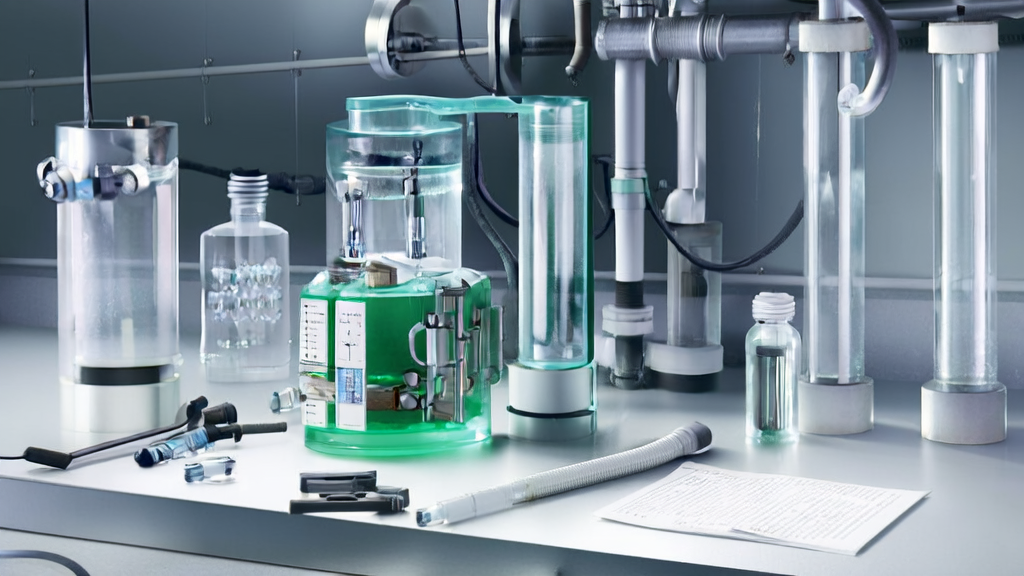 FadingStar:To test an oxygen sensor, you’ll need an OBD-II scanner to check for diagnostic trouble codes, a digital multimeter (DMM) for voltage or resistance readings, a propane torch or fuel enrichment tool to adjust the air-fuel mix, and optionally an oscilloscope for real-time signal tracking. Start by connecting the OBD-II scanner to the vehicle’s port to look for codes like P0130-P0139, which often point to sensor issues. Next, visually inspect the sensor for oil, carbon buildup, or cracks—these can signal problems. Warm the engine to operating temperature, as sensors work best when hot. For zirconia sensors (common in most vehicles), use the DMM on the signal wire; a healthy one should swing between 0.1V (lean) and 0.9V (rich) every 1-2 seconds. Test responsiveness by adding propane (rich mix) near the intake—voltage should jump to 0.8-0.9V. Let in fresh air (lean mix), and it should drop to 0.1-0.2V. A bad sensor shows signs like no voltage, stuck high (over 0.6V) or low (under 0.4V) readings, slow response to mix changes, or the codes found earlier. Testing varies by type. Zirconia sensors generate their own voltage, so voltage checks are key. Titania sensors, less common, change resistance—use the DMM to measure it (1-10 kΩ in air, dropping in rich mixes). Wideband sensors, used in newer cars, send a steady 0-5V signal (1V = lean, 4V = rich) and need specialized scanners to verify accuracy, as they rely on a controller module, unlike narrowband ones that fluctuate.
-
 Gabriel:N2 is not a compound; it is an element. A compound, by definition, is a substance formed when two or more different elements bond chemically. N2 lacks this key feature because it consists only of nitrogen atoms, with no other elements involved. It exists as a diatomic molecule, made of two nitrogen atoms linked by a strong triple covalent bond, but this does not make it a compound. In terms of chemical composition, N2 is composed of a single type of atom (nitrogen), while compounds contain at least two distinct elements. For example, water (H2O) is a compound with hydrogen and oxygen atoms. Properties also differ: N2 is relatively inert due to its strong triple bond, with low reactivity under normal conditions. Compounds, however, have properties unique to their specific element combinations—H2O, for instance, is a liquid at room temperature, unlike N2, which is a gas. Other substances similar to N2 in classification include O2 (oxygen), H2 (hydrogen), and Cl2 (chlorine). These are all elements that form diatomic molecules. Noble gases like He (helium) and Ne (neon) are also elements, though they exist as single atoms (monatomic) rather than molecules. All these substances, like N2, are composed of only one type of atom, fitting the definition of an element.

Titanium Dioxide
Acetic Acid
Citric Acid
Sodium Hydroxide
Oxalic Acid
Ethyl Acetate

Sign in/Join free
 All Categories
 |
-
Basic Chemicals
Others | Oxides And Peroxides -
Rubber&Plastic Ingredients
Rubber Chemicals | Chemical Fiber Chemicals -
Other Chemicals
Pharmaceutical Intermediates | Plant Extracts -
Food And Feed Additives
Plant Extract | Nutritional Enhancer -
Daily Chemicals
Cosmetic Ingredients | Chemicals For Cosmetics -
Flavors And Fragrances
Preservative | Flavor And Fragrance -
Dyes And Pigments
Pigments | Dye -
Catalyst And Auxiliary
Catalyst And Auxiliary | Antioxidants -
Water Treatment Agent
Water Treatment Chemicals | Water Treatment Agent
Services
Language
|
|

 4 Comments








 沪ICP备2021018848号-5


