


 Home
-
 VoidWalker:Hydrochloric acid is not flammable under normal conditions. It is an aqueous solution of hydrogen chloride gas, and neither the liquid nor the gas has the ability to catch fire or support combustion. They lack the chemical components and reactivity required to ignite or sustain a flame. In high-temperature or high-pressure environments, hydrochloric acid remains non-flammable. High temperatures may cause increased vaporization of hydrogen chloride, but this does not make the substance itself flammable. Even under high pressure, which can concentrate the solution, it still cannot ignite or act as a fuel for fires. While not flammable, hydrochloric acid can react with certain materials to create fire hazards. For example, when it comes into contact with metals like zinc, aluminum, or magnesium, it produces hydrogen gas—a highly flammable substance that can ignite if exposed to a spark, flame, or even static electricity. It also reacts violently with strong oxidizers such as potassium permanganate or chlorine, generating significant heat that might ignite nearby combustible materials like wood, paper, or oils. When storing hydrochloric acid, it should be kept in a cool, well-ventilated area, far from flammable substances, metals, and oxidizers. Use corrosion-resistant containers, ensure they are tightly sealed, and label them clearly to prevent accidental mixing with other materials. Having appropriate fire extinguishers nearby is also advisable to address any fires caused by secondary reactions.
-
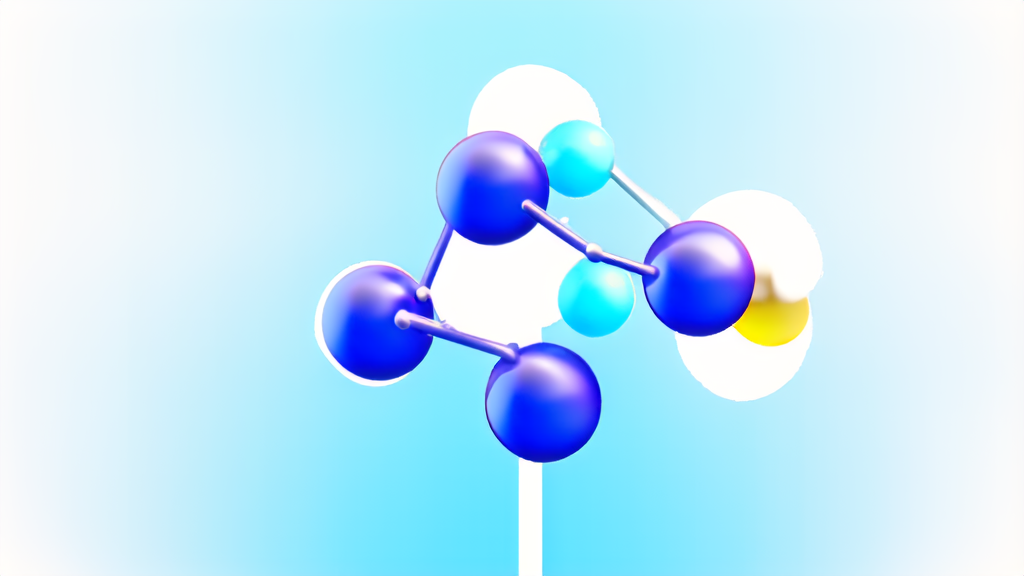 FrostGuard:The formula for sulfurous acid is H2SO3. To derive this formula, start with the central element, sulfur. Sulfurous acid is an oxoacid, containing oxygen, hydrogen, and a central non-metal, which here is sulfur. The "ous" in its name shows a lower oxidation state of the central atom compared to the "ic" form. For sulfur, the "ous" form has an oxidation state of +4. In oxoacids, hydrogen atoms usually bond to oxygen atoms, which then bond to the central atom. To balance charges, sulfur with an oxidation state of +4 combines with three oxygen atoms (each -2) and two hydrogen atoms (each +1). This creates a neutral molecule: 2*(+1) + 4 + 3*(-2) = 0, resulting in H2SO3. An easy way to remember it is to connect it to similar acids. Sulfuric acid is H2SO4, with "ic" indicating a higher oxidation state (+6). Since sulfurous acid has "ous," it has one less oxygen atom than sulfuric acid, making it H2SO3. The formula of sulfurous acid does not change under different temperature or pressure conditions. However, sulfurous acid is unstable, especially in solution, and tends to break down into sulfur dioxide (SO2) and water (H2O) when heated. This is a decomposition reaction, not a change in the acid's formula itself.
-
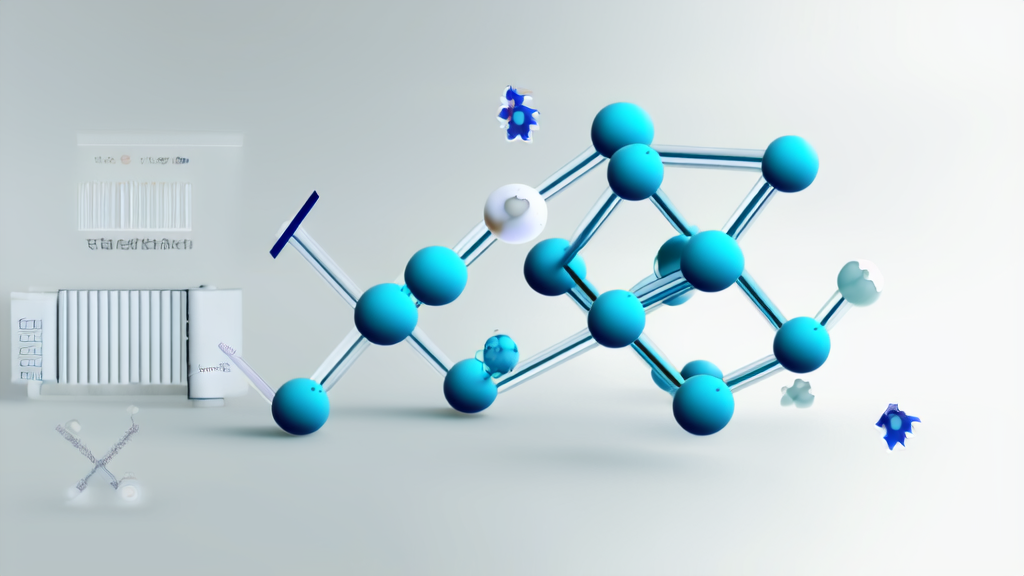 FrostedWillow:The conjugate acid of NH3 is the ammonium ion, NH4+. This forms when NH3 accepts a proton (H+), acting as a base in the process. Structurally, NH3 has a trigonal pyramidal shape, with a lone pair of electrons on the nitrogen atom. When it gains a proton, that lone pair forms a coordinate covalent bond with the H+, resulting in NH4+. The ammonium ion adopts a tetrahedral structure, where all four N-H bonds are equivalent—unlike NH3, which has three bonding pairs and one lone pair. Common reactions where NH3 forms its conjugate acid include reactions with acids. For example, NH3 reacts with hydrochloric acid (HCl) to produce NH4Cl, where NH4+ is the conjugate acid. It also reacts with water in a reversible process: NH3 + H2O ⇌ NH4+ + OH-, a reaction that gives ammonia solutions their basic properties. The strength of NH3 as a base relates inversely to the strength of its conjugate acid, NH4+. NH3 is a weak base, meaning it does not fully accept protons in solution. In turn, NH4+ is a weak acid; it does not fully donate protons. This pattern holds generally: stronger bases have weaker conjugate acids, and weaker bases have stronger conjugate acids. Since NH3 only partially accepts protons, NH4+ only partially donates them.
-
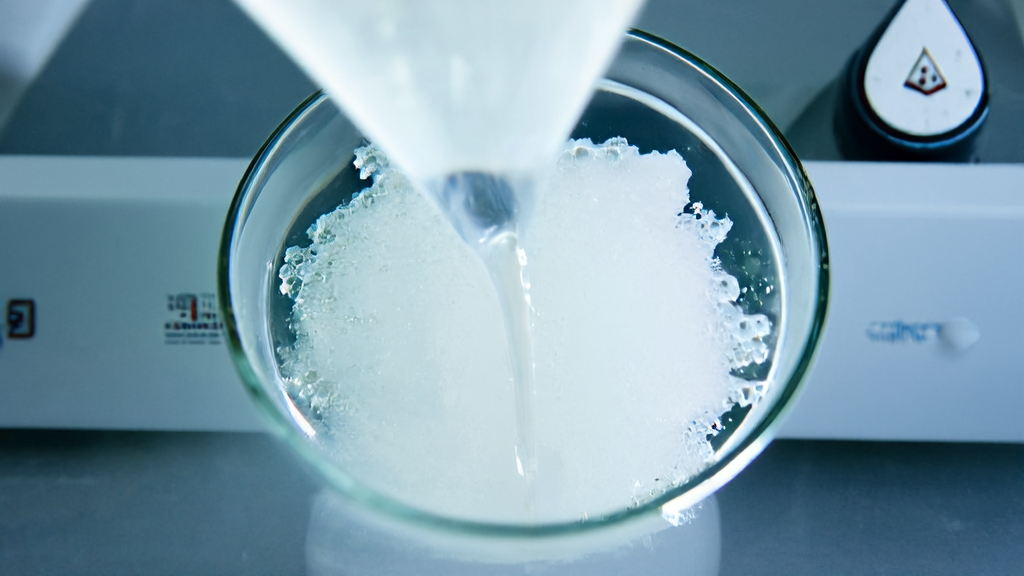 SolarCrash:Mixing hydrochloric acid with common table salt, which is sodium chloride, does not cause a significant chemical reaction. Hydrochloric acid dissolves in water to release H+ and Cl- ions, while sodium chloride dissolves to form Na+ and Cl- ions. Since no new substances are created, the mixture simply becomes a solution with a higher concentration of Cl- and Na+ ions, along with the H+ ions from the acid. Visually, there are few obvious changes. The solution stays clear because both the acid and salt are soluble in water, and there is no bubbling, color change, or notable temperature rise. Any slight temperature shift comes from the dissolution process, not a chemical reaction, and is usually too minor to notice. Using other salts like potassium chloride instead of sodium chloride leads to a similar result. Mixing hydrochloric acid with potassium chloride produces a solution containing H+, Cl-, and K+ ions, with no new compounds formed. This is because all these salts provide Cl- ions, which do not react with the H+ ions from the acid. The resulting mixture remains corrosive due to the hydrochloric acid. It can irritate or burn skin, damage eyes, and release harmful fumes if mixed with other substances. When handling it, wear chemical-resistant gloves, safety goggles, and a lab coat, and work in a well-ventilated area. If splashed, rinse the affected area with plenty of water right away.
-
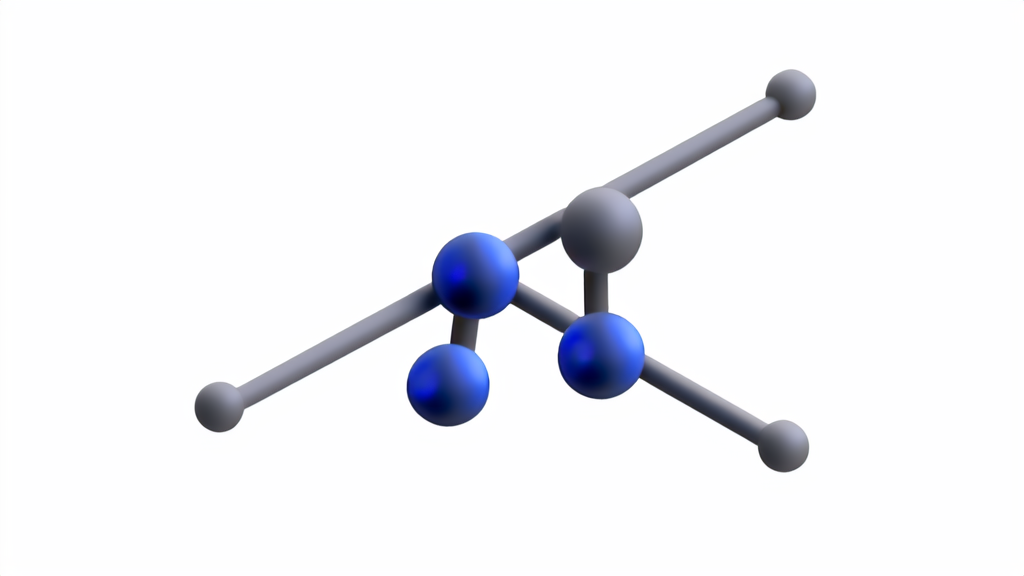 Elizabeth:The molar mass of NH3 (ammonia) is approximately 17.031 g/mol. This is calculated by adding the atomic weights of its components: one nitrogen atom and three hydrogen atoms. Nitrogen has an atomic weight of about 14.007 g/mol, and each hydrogen atom has an atomic weight of about 1.008 g/mol, so 14.007 + (3 × 1.008) gives the total molar mass. The atomic weights used come from the International Union of Pure and Applied Chemistry (IUPAC) periodic table. These values are based on the weighted average of naturally occurring isotopes. For nitrogen, most is N-14 with a small amount of N-15; hydrogen includes protium (H-1), deuterium (H-2), and trace tritium (H-3), which affect the average. Slight variations in NH3’s molar mass can happen. Differences in isotopic abundance in natural sources, such as varying deuterium levels in hydrogen, can shift the average atomic weights slightly. Impurities in NH3 samples or small errors in measurement tools might also cause minor discrepancies, though these are usually small. In practical chemical work, this molar mass is essential. For example, when preparing solutions, making a 1 M NH3 solution requires dissolving 17.031 grams of NH3 in water to make 1 liter. It also helps convert between mass and moles in reactions, ensuring accurate stoichiometric ratios. Whether calculating reaction yields or adjusting solution concentrations, this molar mass supports precise results in labs and industrial processes.
-
 OpalOverture:Common methods to bypass a car's oxygen sensor include using dummy sensors, electronic simulators, or modifying the engine control unit (ECU). Dummy sensors are non-functional units that replace the actual sensor; they require an O2 sensor removal tool and jack stands for installation. Electronic simulators mimic the sensor’s signal, often needing basic wiring tools for connection. ECU modification involves reprogramming to ignore sensor inputs, which may require software tools and specific resistors, like 10kΩ ones, to simulate heater circuits. Whether the engine warning light turns on depends on the method. Simulators and ECU tweaks can suppress the light by sending false signals, but modern ECUs with advanced diagnostics might detect the bypass over time, especially if multiple sensors are disabled. Bypassing affects fuel consumption and performance. Without sensor feedback, the ECU may use a fixed air-fuel ratio, which could be too rich or lean. This might temporarily boost throttle response in modified engines but often reduces fuel efficiency, increases emissions, and risks long-term damage to components like catalytic converters. Legality is strict in regions with tough environmental rules, such as California, where bypass devices are considered "defeat devices" under the Clean Air Act, making them illegal for street use. Violations can lead to fines and failed emissions tests. Reversibility varies. Dummy sensors and simulators can be removed and replaced with genuine parts. ECU modifications may need professional reprogramming to revert to stock settings, while resistor-based setups can be undone by removing the resistor. Still, long-term use might cause residual damage that can’t be reversed.
-
 FrostBearov:Honestly, alcohol usually starts to kick in pretty quickly, often within 10 to 20 minutes after your first sip. That’s because it doesn’t need much digestion—it moves through your stomach and into your bloodstream fairly fast. But the timing can shift a lot depending on what you ate. If your stomach is full, alcohol takes longer to show its effects. On an empty stomach, you can feel it hit almost right away. Another thing is body size and tolerance. Someone smaller or who doesn’t drink much will usually feel alcohol sooner compared to someone bigger or more used to drinking. Even how quickly you sip matters—slamming down shots is going to hit harder and faster than slowly enjoying a beer. So the “kick in” time isn’t exact for everyone, but most people feel a buzz not too long after starting a drink. It’s a mix of how much you drink, how fast, and what your body is like that day.
-
 PegasusFlight:If you have high triglycerides, the first doctor to see is usually a primary care physician. Primary care physicians handle initial management of high triglycerides. They can check your overall health, go over your diet and daily habits, order blood tests to measure triglyceride levels, and suggest first steps like changes to eating habits, more exercise, or medications if required. This makes them the starting point for most people with this issue. Cardiologists can offer specialized help for high triglycerides, especially when the condition is connected to heart problems or when initial care from a primary care physician isn’t enough. They know how lipid issues, including high triglycerides, affect heart health and can provide advanced treatments or work with other specialists if needed. Endocrinologists get involved when high triglycerides are linked to metabolic conditions. Problems like diabetes, underactive thyroid, or metabolic syndrome often cause high triglycerides, and endocrinologists focus on managing these underlying issues, which helps control triglyceride levels. Start with a primary care physician. They can assess your triglyceride levels, look for underlying conditions, and guide you. If levels are very high (over 500 mg/dL), if there’s a heart disease history, or if metabolic issues are likely, they may refer you to a cardiologist or endocrinologist for more specific care.
-
 Sterling:The normal oxygen level in Earth's atmosphere is about 21% by volume. This percentage has stayed fairly stable over recent centuries, with small changes from factors like plant photosynthesis and fossil fuel use, but it rarely moves far from this range. For human blood, normal oxygen saturation (the percentage of hemoglobin carrying oxygen) usually ranges from 95% to 100% in healthy adults at sea level. Levels below 90% are often considered low and may signal respiratory or circulatory problems needing medical care. Oxygen levels do change with altitude. While the atmospheric oxygen percentage stays around 21%, total atmospheric pressure drops as elevation increases, lowering oxygen's partial pressure. This means less oxygen is available per breath. At high altitudes like 3,000 meters (about 9,842 feet), for example, even with 21% oxygen, the body absorbs less, leading to lower blood oxygen saturation—typically 90% to 94% in acclimatized people. Accurate measurement of atmospheric oxygen uses devices like oxygen analyzers, which use electrochemical sensors or paramagnetic technology to check oxygen concentration in air samples. For blood oxygen saturation, pulse oximeters (clipped to a finger, non-invasive) use light absorption to estimate levels, while arterial blood gas analysis (drawing blood from an artery, invasive) gives more precise readings by directly measuring oxygen's partial pressure in the blood.
-
 BrassBallade
How does hemoglobin's affinity for oxygen change with varying carbon dioxide levels in the human blood?
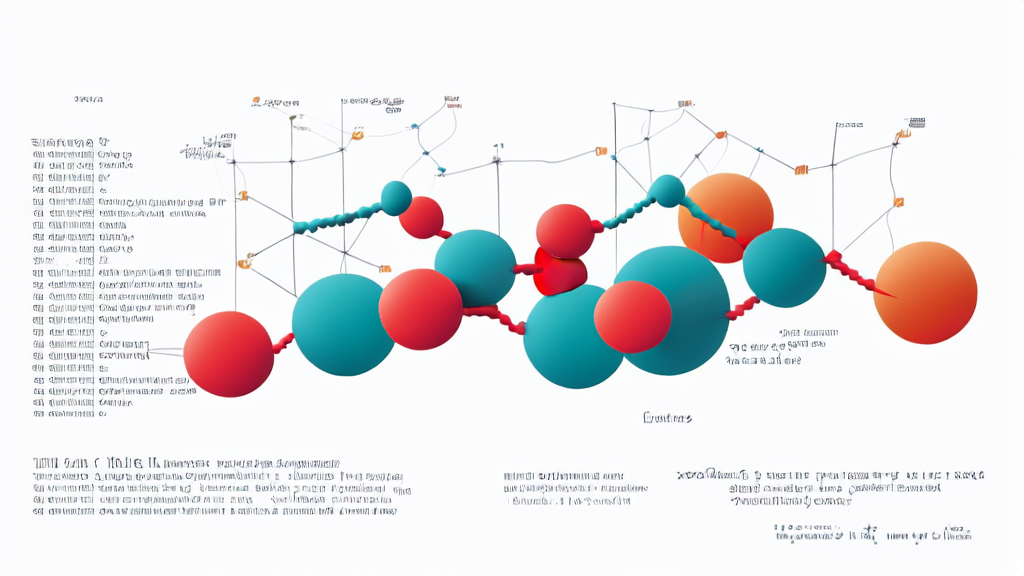 LunarMeadow:When CO₂ levels in the blood rise, hemoglobin binds to oxygen less tightly. This phenomenon, known as the Bohr effect, is a key adaptive mechanism in the body’s oxygen transport system. The process begins with CO₂ reacting with water in the blood, a reaction accelerated by the enzyme carbonic anhydrase, which forms carbonic acid. This acid then dissociates into hydrogen ions and bicarbonate, lowering the blood’s pH and making it more acidic. This drop in pH triggers a structural change in hemoglobin. Hemoglobin exists in two main conformations: a tight form with high oxygen affinity and a relaxed form with lower affinity. The increased hydrogen ions interact with amino acid residues in hemoglobin, shifting it toward the relaxed form, which releases oxygen more readily. This shift is critical for oxygen delivery to tissues with high metabolic demand. For example, during exercise, muscle cells burn more glucose, producing excess CO₂ as a waste product. The local rise in CO₂ in these muscles lowers pH, activating the Bohr effect. Hemoglobin, passing through these tissues, releases oxygen more efficiently, ensuring muscles receive the oxygen needed for ATP production. Even in resting states, tissues like the brain—constantly active—benefit from this mechanism, as their steady CO₂ output promotes consistent oxygen release. Without this regulation, oxygen would remain trapped in hemoglobin, starving active cells of the fuel they need to function.

Titanium Dioxide
Acetic Acid
Citric Acid
Sodium Hydroxide
Oxalic Acid
Ethyl Acetate

Sign in/Join free
 All Categories
 |
-
Basic Chemicals
Others | Oxides And Peroxides -
Rubber&Plastic Ingredients
Rubber Chemicals | Chemical Fiber Chemicals -
Other Chemicals
Pharmaceutical Intermediates | Plant Extracts -
Food And Feed Additives
Plant Extract | Nutritional Enhancer -
Daily Chemicals
Cosmetic Ingredients | Chemicals For Cosmetics -
Flavors And Fragrances
Preservative | Flavor And Fragrance -
Dyes And Pigments
Pigments | Dye -
Catalyst And Auxiliary
Catalyst And Auxiliary | Antioxidants -
Water Treatment Agent
Water Treatment Chemicals | Water Treatment Agent
Services
Language
|
|

 4 Comments


 沪ICP备2021018848号-5


