


 Home
-
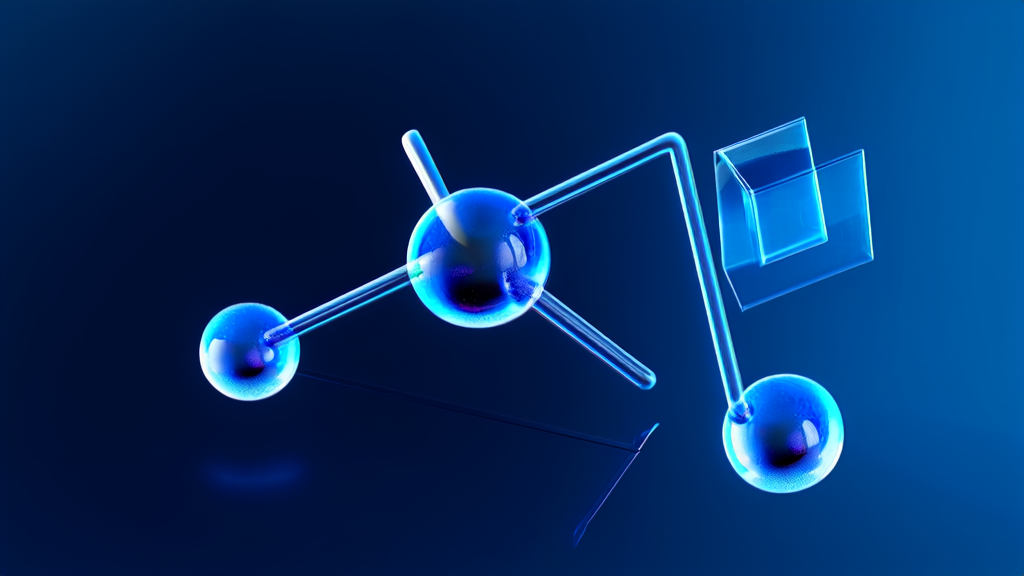 ForgottenVoid:Phosphoric acid (H3PO4) contains three main elements: hydrogen (H), phosphorus (P), and oxygen (O). Its structure has a central phosphorus atom linked to four oxygen atoms. One oxygen forms a double bond with phosphorus, and the other three form single bonds. Each of these three oxygen atoms is also bonded to a hydrogen atom, creating three hydroxyl groups. This arrangement makes it a triprotic acid, able to release three hydrogen ions. Commercial phosphoric acid may have trace substances depending on production. From phosphate rock, it can have small amounts of fluorides, sulfates, and metal ions like iron, aluminum, or calcium. Purified versions might still have tiny quantities of heavy metals, though controlled to meet standards. These traces affect its properties. Metal ions can cause discoloration or unwanted reactions. Fluorides may increase corrosion, and sulfates can alter reactivity. In food-grade products, impurities are minimized for safety and taste. The composition of phosphoric acid can change via chemical reactions. Neutralization with bases like sodium hydroxide produces phosphate salts, varying by the reaction extent. Heating leads to dehydration, forming polyphosphoric acids such as pyrophosphoric acid (H4P2O7) or metaphosphoric acid (HPO3)n, which have different characteristics and uses. These reactions show how its makeup and properties can be modified.
-
 FalconWing:Persistently high triglyceride levels pose specific health risks. They contribute to artery plaque buildup, raising chances of heart attacks, strokes, and peripheral artery disease. Levels over 500 mg/dL can trigger acute pancreatitis, a painful pancreatic inflammation. High triglycerides often interact with other cardiovascular risks. They tend to coincide with low high-density lipoprotein (HDL) and elevated small, dense low-density lipoprotein (LDL) particles, which worsen artery damage. When combined with hypertension, insulin resistance, or obesity, they amplify overall cardiovascular risk beyond individual factors. The most affected systems include the cardiovascular system, where arterial damage occurs; the pancreas, at risk for pancreatitis; the metabolic system, often showing insulin resistance; and the liver, prone to nonalcoholic fatty liver disease from excess triglyceride buildup. Elevated levels frequently signal underlying issues. They are a key part of metabolic syndrome, linked to abdominal obesity and high blood sugar. They may also indicate type 2 diabetes, hypothyroidism, or kidney disease, which disrupt lipid processing. Addressing high triglycerides involves dietary changes: cutting added sugars, refined carbs, and saturated fats, while increasing fiber and unsaturated fats. Regular exercise, maintaining a healthy weight, and limiting alcohol help. Medications like fibrates, omega-3 supplements, or statins may be needed if lifestyle changes aren’t enough. Managing underlying conditions like diabetes or hypothyroidism is also critical.
-
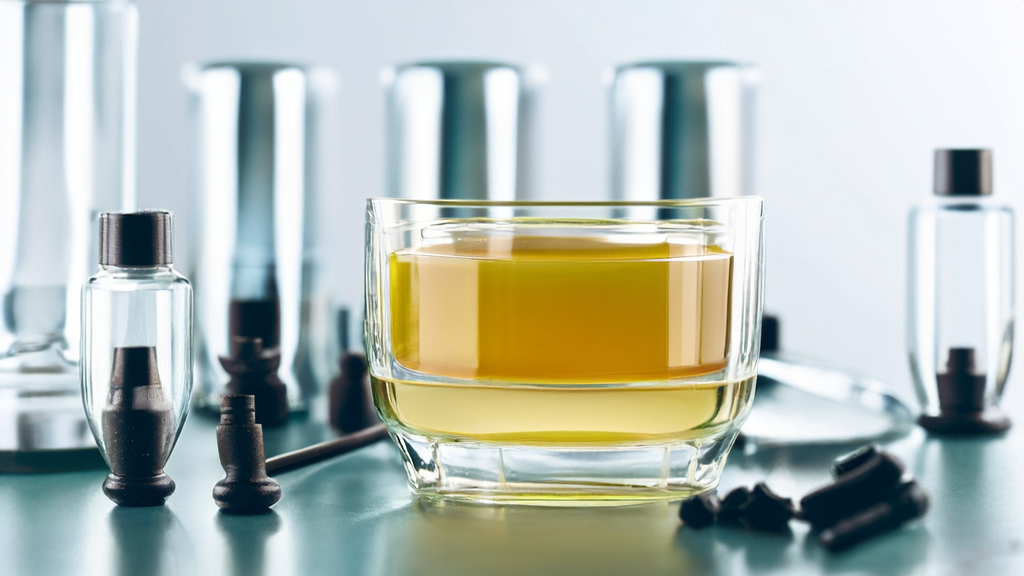 MahoganyMuse:Cocoa butter is a common skincare ingredient, often used for moisturizing, but scientific evidence supporting its effects on scars is limited. For reducing redness or thickness of scars, its main benefit may be hydrating the skin, making the scar feel softer or less tight. Yet, there’s little clinical data showing it directly lessens redness or shrinks scar tissue, as these issues involve deeper skin repair processes. When it comes to stimulating collagen production to fade scars, research is scarce. Collagen synthesis in scar tissue is a complex biological process, and cocoa butter lacks proven ingredients known to trigger this. While moisturized skin might look healthier, this isn’t the same as promoting collagen growth that fades scars visibly. For different scars like acne or surgical scars, cocoa butter’s effectiveness varies. Acne scars often involve pitting or discoloration from damaged dermis, and surgical scars may form thickened tissue; cocoa butter’s surface hydration rarely addresses these deeper structural changes. Some people note mild improvements with regular use, but this differs greatly by individual. As for results, any effects usually need consistent application over weeks or months. Changes are often subtle, mainly from better hydration rather than scar remodeling, so significant differences rarely show quickly. Individual responses vary, and severe scars typically need more targeted treatments than cocoa butter.
-
 AmberDusk:Toyota's 4-wheel drive systems in models like the Tacoma, 4Runner, and Prado include H2 (High-Speed 2WD) and H4 (High-Speed 4WD) modes, each suited to specific road conditions. H2 works best on dry, paved roads with good traction, such as highways or city streets. By sending power only to the rear (or front) wheels, it reduces drivetrain drag, boosting fuel efficiency and cutting wear on parts like CV joints. H4, on the other hand, is made for low-traction surfaces—snow, mud, gravel, or light off-road trails. Using all four wheels here improves grip, though it’s not for dry pavement, as this can cause drivetrain binding. Switching between H2 and H4 has specific conditions. Most models let you shift from H2 to H4 while driving at speeds below 80–100 km/h (50–62 mph), with the vehicle moving straight to avoid stress. Shifting from H4 to H2 can happen at any speed. Precautions matter: avoid H4 on dry roads to prevent wear, switch at lower speeds in freezing weather, and drive 10–20 miles monthly in H4 to keep the system lubricated. In terms of driving feel, H2 offers sharper steering and lighter handling but less traction on slippery surfaces. H4 enhances stability on loose terrain but may make steering heavier, with binding in tight turns on high-traction roads. For performance, H2 is 10–20% more fuel-efficient due to less resistance, while both modes deliver similar engine power, though H4 sees slightly lower wheel torque. Frequent switching itself doesn’t harm the vehicle if done properly. But excessive or improper use—like H4 on dry roads for long periods or shifting abruptly while accelerating—can wear down the transfer case, axles, and tires. Always check the owner’s manual for model-specific details.
-
 BearFist:Having high LDL and low triglycerides can result from a mix of genetic, lifestyle, and physiological factors. Genetic traits often play a key role; conditions like familial hypercholesterolemia, for example, reduce the liver’s ability to clear LDL by limiting functional LDL receptors, leading to higher LDL levels. Low triglycerides may come from efficient fat breakdown, where the body uses fats for energy instead of storing them, or from lower dietary fat intake. Lifestyle habits such as lack of exercise can contribute. While exercise mainly boosts HDL and may lower triglycerides slightly, inactivity can reduce the body’s ability to process lipids, possibly making it harder to clear LDL over time. Diets high in saturated or trans fats can raise LDL even if total fat intake is low enough to keep triglycerides down. Certain medications can change lipid levels. Some diuretics or beta-blockers for blood pressure may increase LDL. On the other hand, fibrates or omega-3 supplements, which lower triglycerides, might leave LDL unchanged or slightly higher, creating this imbalance. The body regulates lipids through coordinated processes: LDL is cleared by liver receptors, while triglycerides are made from dietary fats or sugars and carried by VLDL. This imbalance happens when LDL clearance is poor, such as from receptor issues, while triglyceride production or release is low, like when the body uses more fatty acids for energy. Targeted action is usually needed because high LDL promotes artery plaque, even with low triglycerides. This may involve a diet low in saturated fats, more physical activity, or statins to lower LDL, cutting cardiovascular risk.
-
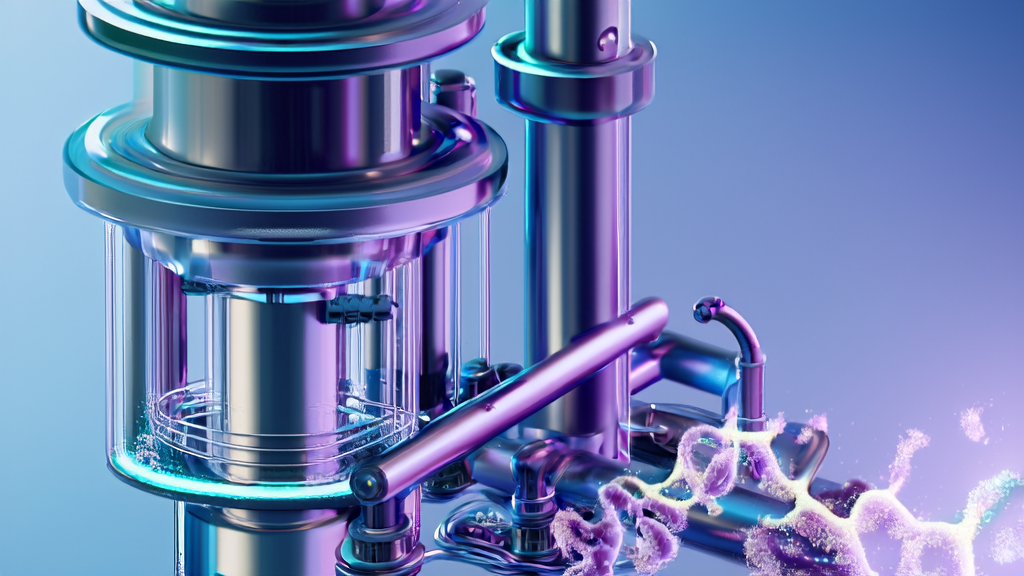 Caspian:Certain organisms can fix nitrogen gas (N2), converting it into accessible forms like ammonia that other life can utilize. These include bacteria such as rhizobia, cyanobacteria, some archaea, and symbiotic pairs of microbes and plants. The process relies on the enzyme nitrogenase, which breaks N2’s strong triple bond. Since nitrogenase is sensitive to oxygen, many fixing organisms have protective structures. For instance, rhizobia reside in legume root nodules, where plant cells create a low-oxygen environment. Cyanobacteria often form heterocysts—specialized cells that isolate nitrogenase from oxygen produced during photosynthesis. Biological nitrogen fixation is energy-efficient, using ATP from the organism and natural resources, but it produces less total nitrogen than artificial methods. The Haber-Bosch process generates around 150 million tons of fixed nitrogen yearly, while biological fixation contributes about 100 million tons. Still, biological fixation is sustainable, avoiding fossil fuels used in industrial processes. If organisms couldn’t fix N2, ecosystems would collapse. Nitrogen is essential for proteins, DNA, and other molecules. Without a way to convert N2 into usable forms, soil and water would lose accessible nitrogen over time. Plants would decline, followed by herbivores, carnivores, and decomposers, leaving most life unable to survive due to this nutrient shortage.
-
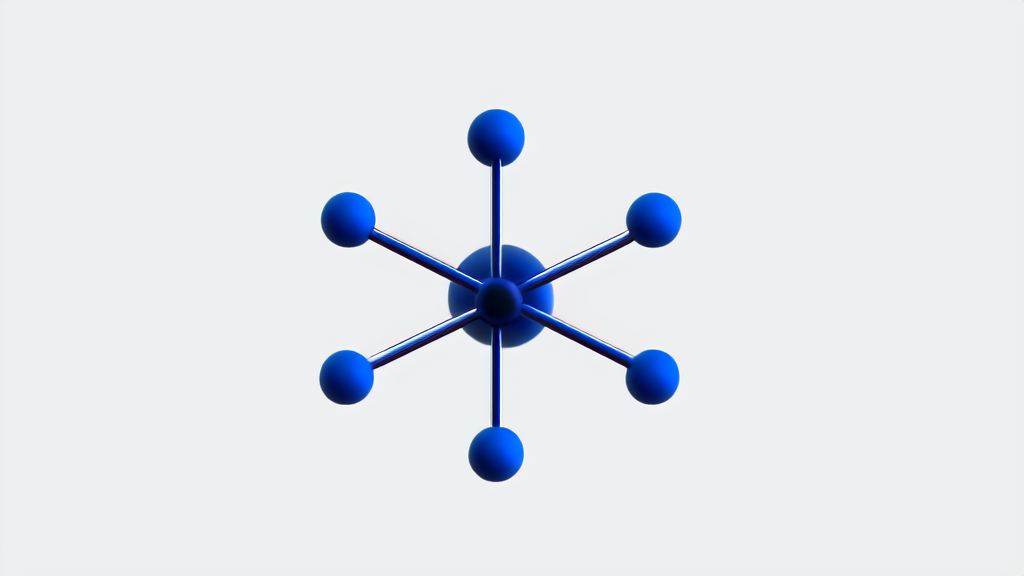 ThunderFist:Ethyl ether, with the structure C2H5OC2H5, has some polarity but is generally weakly polar. This comes from the oxygen atom in its ether linkage, which is more electronegative than carbon and hydrogen. The difference in electronegativity creates a small dipole moment, with oxygen pulling electron density toward itself, giving it a partial negative charge and adjacent carbons partial positive charges. However, the molecule’s overall structure, with two nonpolar ethyl groups (C2H5) attached to the oxygen, lowers the net polarity. These ethyl groups are hydrophobic and influence much of the molecule’s behavior, keeping overall polarity low. The polarity of ethyl ether affects how it dissolves other substances. It can dissolve both polar and nonpolar substances to a degree, though it works better with nonpolar or weakly polar compounds. The nonpolar ethyl groups interact well with nonpolar solutes through van der Waals forces, while the polar oxygen can form weak hydrogen bonds with polar solutes like alcohols. For example, it dissolves fats, oils, and some organic compounds but mixes only slightly with water due to limited solubility. Compared to similar solvents, ethyl ether is less polar than alcohols such as ethanol or methanol, which have stronger hydrogen bonding. It is more polar than hydrocarbons like hexane or benzene, which have no polar functional groups. Its polarity is close to that of relatives like dimethyl ether but slightly lower than tetrahydrofuran, which has a more compact ring structure that boosts dipole interactions. This middle-range polarity makes it useful in extractions needing a balance of solubility for different compounds.
-
 DustyTome
Do medium chain triglycerides have the effect of raising overall triglyceride levels in the body?
 Maximus:Medium chain triglycerides (MCTs) are a type of fat made up of fatty acids with 6 to 12 carbon atoms. They differ from long chain triglycerides (LCTs), which have 14 or more carbon atoms, and are naturally present in sources like coconut oil and dairy products. In terms of metabolism, MCTs behave differently than other triglycerides. Unlike LCTs, which need bile acids for digestion and are transported through the lymphatic system after absorption, MCTs are absorbed directly into the bloodstream quickly. They reach the liver rapidly, where they are either used for immediate energy or turned into ketones, skipping the slower process of being stored as body fat. This makes their metabolism more efficient and less likely to build up in fat tissue. Studies on MCTs and triglyceride levels show varying results. Some research notes a temporary, slight rise in blood triglycerides shortly after eating MCTs, especially with higher amounts. But this effect is usually shorter than with LCTs, which can cause more lasting increases because they metabolize more slowly and are more likely to be stored. The effect of MCTs on triglycerides depends on the dose. Small to moderate amounts, around 10 to 20 grams a day, typically have little impact. Larger doses, 30 grams or more, may lead to noticeable but short-term increases. Overall, MCTs tend to affect triglyceride levels less problematically than LCTs, especially when eaten in moderation as part of a balanced diet.
-
 Octavian:An oxygen sensor in a car, often called an O2 sensor, measures the amount of oxygen in exhaust gases. This data helps the engine control unit (ECU) adjust the air-fuel mixture, ensuring efficient combustion. A balanced mixture reduces emissions and improves fuel economy, targeting the stoichiometric ratio of 14.7 parts air to 1 part fuel for gasoline engines. Oxygen sensors are typically installed in the exhaust system. Most vehicles have at least two: one before the catalytic converter (upstream) to monitor engine performance and tweak the air-fuel ratio, and one after (downstream) to check the converter’s efficiency by comparing oxygen levels before and after it. Some cars with larger engines or complex exhaust setups may have more. These sensors are mainly made of ceramic materials like zirconia (ZrO2) or titanium dioxide (TiO2). Zirconia sensors generate a voltage (0.1–1 volt) based on oxygen differences between exhaust and ambient air. Titanium dioxide sensors change electrical resistance with oxygen levels, and the ECU interprets these signals. Communication with the ECU happens via electrical signals. The sensor sends continuous data, letting the ECU adjust fuel injection timing and quantity. Modern systems use digital signals for precision, while older ones use analog. This feedback loop keeps the engine running efficiently and meeting emission standards. Over time, sensors can degrade from high temperatures, contaminants, or oil exposure, leading to reduced performance and potential check engine lights. Regular maintenance and replacement help maintain function.
-
 QuantumVeil
Do electric cars create carbon dioxide during production, operation, or battery recycling?
 MorozkoFrost:Electric cars do not emit carbon dioxide directly while driving, as they have no tailpipes. But their lifecycle includes CO2 emissions. Battery production for EVs releases significant carbon dioxide. Mining lithium, cobalt, and other materials, processing them, and making battery cells use lots of energy, often from fossil fuels, which generate emissions. The amount varies by region but can be large. When charged with electricity from fossil fuels like coal or natural gas, electric cars produce CO2 indirectly. Power plants burning these fuels release CO2, and some energy is lost during transmission, adding to indirect emissions. The amount depends on the local energy mix—areas with more renewable energy have lower indirect emissions. Carbon dioxide is also emitted during electric car recycling. Breaking down batteries, separating materials, and processing them need energy, though this is usually less than making new batteries, so recycling is better than discarding them. Comparing total carbon footprints, electric cars often have lower lifecycle emissions than gasoline cars. EVs have higher upfront emissions from production, especially batteries, but lower operational emissions over time offset this. Gasoline cars emit CO2 while driving, and their lifecycle includes extracting, refining, and transporting fuel, adding more emissions. Over years of use, especially with clean electricity, EVs are typically greener than gasoline cars, with the difference growing as renewable energy use increases.

Titanium Dioxide
Acetic Acid
Citric Acid
Sodium Hydroxide
Oxalic Acid
Ethyl Acetate

Sign in/Join free
 All Categories
 |
-
Basic Chemicals
Others | Oxides And Peroxides -
Rubber&Plastic Ingredients
Rubber Chemicals | Chemical Fiber Chemicals -
Other Chemicals
Pharmaceutical Intermediates | Plant Extracts -
Food And Feed Additives
Plant Extract | Nutritional Enhancer -
Daily Chemicals
Cosmetic Ingredients | Chemicals For Cosmetics -
Flavors And Fragrances
Preservative | Flavor And Fragrance -
Dyes And Pigments
Pigments | Dye -
Catalyst And Auxiliary
Catalyst And Auxiliary | Antioxidants -
Water Treatment Agent
Water Treatment Chemicals | Water Treatment Agent
Services
Language
|
|

 4 Comments







 沪ICP备2021018848号-5


