


 Home
-
 CaviarPrince:Honestly, the time a breathalyzer can detect alcohol isn’t the same for everyone. For most people, alcohol stays in the system long enough that a breathalyzer can detect it for about 12 to 24 hours after drinking. If you had just one glass of wine or a single beer, it may only show for a few hours. But if you had a heavy night of drinking, the device could still pick it up the next morning or even longer. Things like eating before or while drinking, your weight, and how fast your body processes alcohol all play a role. A smaller person or someone who drinks on an empty stomach may blow a positive result sooner and for longer. On the other hand, someone with more body mass or food in their stomach might break it down faster, but it’s never instant. That’s why “sleeping it off” doesn’t always guarantee a clear test. Even if you feel fine, the alcohol might still be there in small amounts. So if you’re wondering about driving or being tested at work, the safest bet is to give your body plenty of time.
-
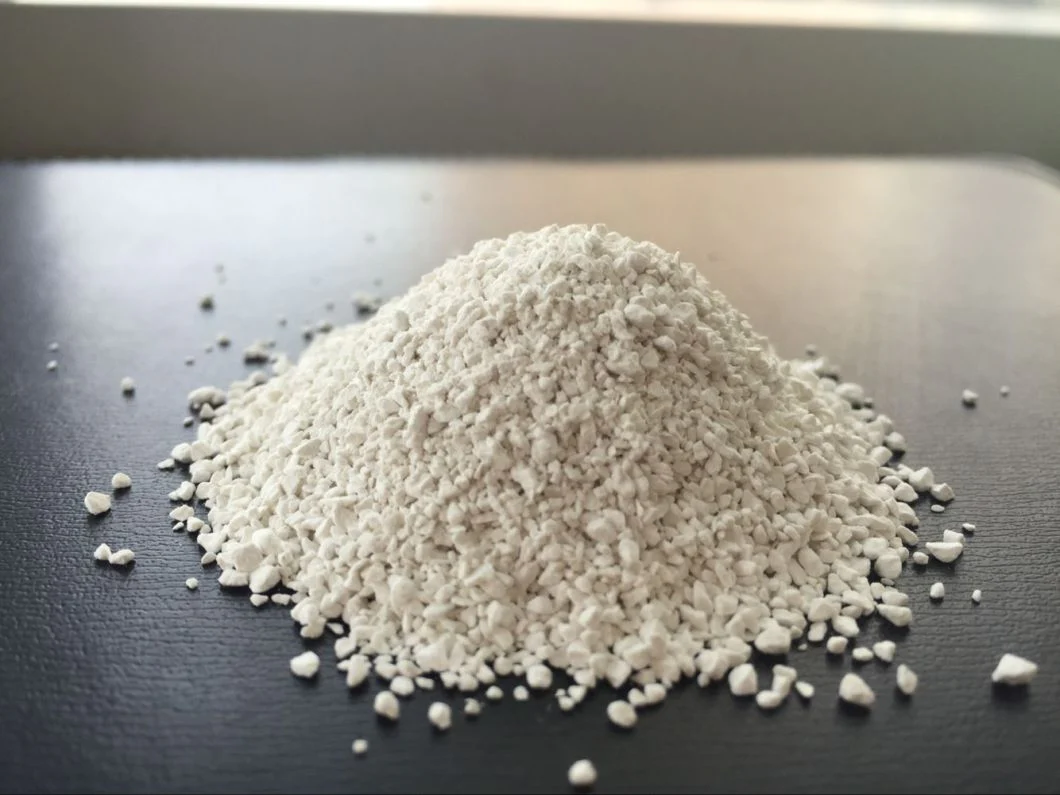 CaviarPrince:Hey, so dicalcium phosphate is basically a mineral compound made from calcium and phosphorus—two things your body actually needs to stay healthy. You’ll often find it in stuff like toothpaste, breakfast cereals, or vitamins. It’s used to add calcium, or sometimes just to give a product some texture so it doesn’t clump up. It’s also really common in supplements. If you’ve ever taken a calcium pill, there’s a good chance dicalcium phosphate was in there helping you strengthen your bones and teeth. And it’s not just for people—you might see it in pet food or even garden plant food to help things grow better. So next time you spot it on a label, no need to worry. It’s generally recognized as safe and it’s there for a reason. Pretty cool how everyday chemistry can be part of staying healthy, right?
-
Leonardo:Toluene diisocyanate, commonly abbreviated as TDI, is an aromatic diisocyanate with the chemical formula C9H6N2O2. Its molecular structure consists of a toluene ring substituted by two isocyanate groups (-NCO) at either the 2,4- or 2,6- positions, with the 2,4-isomer being the more prevalent form in commercial mixtures, typically composing 80% of the blend alongside 20% of the 2,6-isomer. This dual-isocyanate structure is critical to its functionality, as the highly reactive -NCO groups enable it to undergo addition polymerization reactions with compounds containing active hydrogen atoms, such as polyols. In the field of polymer chemistry and materials science, TDI is primarily utilized as a key monomer in the production of polyurethane (PU) foams, a role that distinguishes it from other diisocyanates like methylene diphenyl diisocyanate (MDI). Unlike MDI, which is often employed for rigid foams used in insulation and structural applications, TDI is favored for flexible PU foams due to the structural characteristics it imparts—its aromatic ring provides rigidity while the spacing of the -NCO groups allows for the formation of polymer chains with sufficient flexibility. These flexible foams are integral to industries ranging from furniture, where they serve as cushioning in sofas and mattresses, to automotive manufacturing, where they are used in seat cushions, headrests, and interior padding. Beyond foam production, TDI finds application in the synthesis of other polyurethane-based materials, including coatings, adhesives, sealants, and elastomers. In coatings, for instance, it reacts with polyols to form polyurethane coatings that offer excellent chemical resistance, durability, and gloss, making them suitable for industrial machinery, automotive finishes, and protective layers for metal surfaces. Its use in adhesives leverages the strong bonding properties of the resulting polyurethane, creating bonds that withstand temperature fluctuations and mechanical stress, which is essential in construction and footwear assembly. A key distinction between TDI and aliphatic diisocyanates, such as hexamethylene diisocyanate (HDI), lies in their resistance to UV radiation and color stability. Aliphatic diisocyanates are non-yellowing and retain clarity under sunlight, making them ideal for exterior coatings and transparent applications, whereas TDI-based polyurethanes tend to yellow over time when exposed to UV light, limiting their use to interior or opaque products. This difference stems from the aromatic ring in TDI, which is more susceptible to photodegradation compared to the aliphatic chains in HDI. One common misconception about TDI is that it is interchangeable with other diisocyanates in all applications, but its specific reactivity profile and the properties of the resulting polyurethanes make it unsuitable for certain uses. For example, its lower molecular weight and higher vapor pressure compared to MDI mean it requires more stringent handling to mitigate exposure risks, but this same reactivity also makes it more efficient for producing low-density flexible foams where rapid curing is desired. Additionally, while TDI is a major diisocyanate, its use is not universal; in rigid foam applications, MDI’s higher functionality and rigidity are preferred, highlighting the importance of matching the diisocyanate to the desired material properties.
-
 KatyaFrost:When you look at hydrogen peroxide and rubbing alcohol, they might seem like the same thing because people use both for cleaning. But they are actually very different chemicals. Hydrogen peroxide is a liquid that releases oxygen when it breaks down, which helps kill bacteria by damaging their cells. It’s often sold in brown bottles because light makes it lose strength. You usually see it as a clear liquid used for cleaning small cuts, whitening teeth, or even cleaning household surfaces. Rubbing alcohol, on the other hand, is usually isopropyl alcohol. It works by drying out bacteria and viruses so they can’t survive. It evaporates quickly, which is why it feels cool when you put it on your skin. People often use it for disinfecting thermometers, cleaning electronics, or sanitizing their hands when soap isn’t available. So no, hydrogen peroxide is not the same as rubbing alcohol. They can both disinfect, but they don’t work in exactly the same way. If you’re out of rubbing alcohol, you can sometimes use hydrogen peroxide on cuts or surfaces, but it may not be as effective for certain germs. Always check the label and use them as directed so you get the safest results.
-
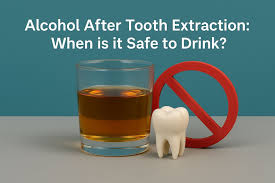 FrostBearov:Honestly, drinking alcohol right after a tooth extraction isn’t a good idea. When a dentist removes a tooth, your body needs time to form a blood clot in the empty socket, which helps protect the wound and kick off healing. Alcohol, especially beer, wine, or spirits, can thin your blood and make it harder for that clot to stay in place. If the clot comes out too soon, you could end up with something called “dry socket,” which is really painful and delays recovery. On top of that, most people are given painkillers or antibiotics after a tooth is pulled, and alcohol doesn’t mix well with those medications. Mixing the two can make you feel dizzy, sick, or even reduce the effect of the medicine. That’s another reason why dentists usually suggest avoiding alcohol for at least a couple of days. If you really want a drink, it’s safer to wait until the area feels less sore and your dentist says it’s fine. Many people give it about 3 days, but for some it might take up to a week, depending on how fast they heal. It’s always better to stay on the safe side so your mouth can recover smoothly.
-
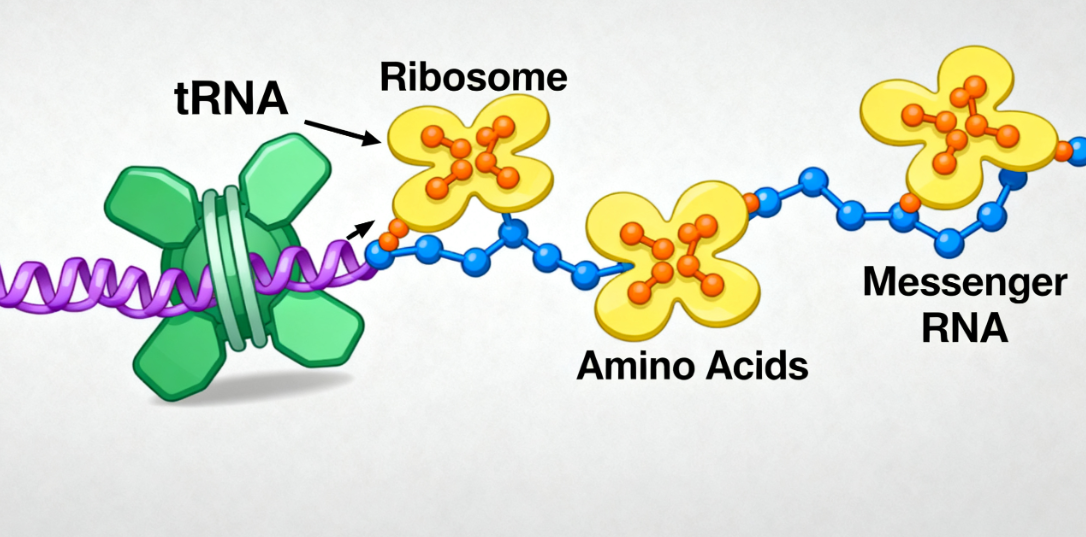 ValkyrieStar:Transfer RNA (tRNA) is the essential adaptor molecule that delivers amino acids to the ribosome. Its unique L-shaped three-dimensional structure is central to its function. One end of the tRNA carries a specific amino acid, which is covalently attached by a dedicated aminoacyl-tRNA synthetase enzyme. The opposite end features the anticodon, a sequence of three nucleotides that can base-pair with a complementary codon on the messenger RNA (mRNA) strand. This precise codon-anticodon interaction ensures that the genetic code is translated accurately; each tRNA molecule recognizes only its corresponding mRNA codon, guaranteeing the correct amino acid is incorporated into the growing polypeptide chain. For instance, the tRNA with the anticodon 3’-AAG-5’ will bind to the mRNA codon 5’-UUC-3’, thereby delivering the amino acid phenylalanine. This entire process is fueled by cellular energy in the form of ATP and GTP, which drive the amino acid attachment to the tRNA and its subsequent entry and movement through the ribosome's sites. Without this highly specific delivery system, the ribosome could not synthesize functional proteins, which are fundamental to virtually every cellular process, from building cellular structures to catalyzing metabolic reactions.
-
 SteppeEagle:It’s a good question because a lot of people get confused about this. A breathalyzer doesn’t measure how much alcohol you drank directly, but instead it picks up the alcohol that’s still in your breath as your body processes it. For most people, alcohol can usually be detected on a breathalyzer for up to 12 to 24 hours after drinking, depending on how much they had. If someone has just a small glass of wine or beer, it might only show up for a few hours. But if you had several drinks, especially hard liquor, it can stay in your system much longer and still be detectable the next day. Things like your weight, how quickly your body burns energy, and whether you ate food while drinking all play a role. So even if you feel “sober” the next morning, the breathalyzer might still pick something up. That’s why people are often surprised when they test positive even after sleeping overnight. It really varies from person to person and situation to situation.
-
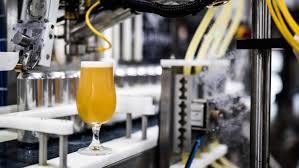 BliniHunter:If you’re curious about how to brew non alcoholic beer, think of it as making regular beer but with one extra step to reduce the alcohol. You still start with the same basics like malt, hops, water, and yeast. The yeast will do its usual job of turning sugars into alcohol and bubbles. Once you’ve got your beer, the trick is to gently heat it up or use another method to remove the alcohol while trying not to lose the taste. Most people at home use the heating method, keeping it warm enough to let the alcohol evaporate but not so hot that the flavor disappears. After that, you cool it back down, bottle it, and let it carbonate again so it still has some fizz. It won’t taste exactly the same as the store-bought kind, since big breweries sometimes use vacuum systems or filters, but it’s close enough for casual drinking. The fun part is you can still enjoy the beer taste without worrying about getting tipsy, and it’s a nice option if you want to share drinks with friends who don’t consume alcohol.
-
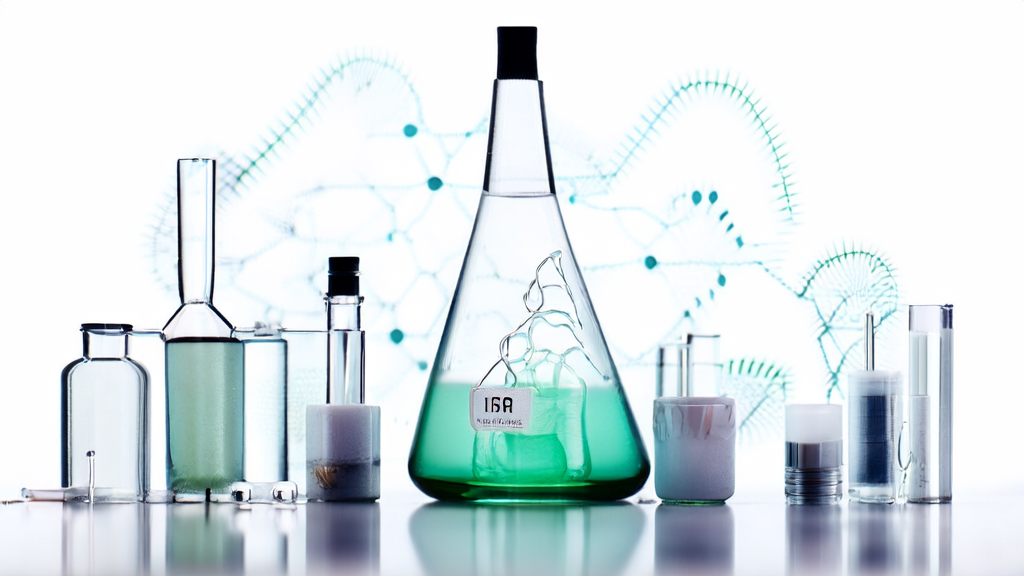 Moroz (Frost):The accurate chemical formula of phosphoric acid is H3PO4. This formula comes from the structure of its molecule, where a central phosphorus atom (P) is bonded to four oxygen atoms (O). Three of these oxygen atoms each form a single bond with a hydrogen atom (H), creating three hydroxyl groups (-OH). The fourth oxygen forms a double bond with the phosphorus atom (P=O), giving the molecule its stable structure. In the formula H3PO4, each part has a specific meaning. The symbol H stands for hydrogen, and the subscript 3 shows there are three hydrogen atoms in the molecule. P represents phosphorus, with no subscript indicating only one phosphorus atom is present. O denotes oxygen, and the subscript 4 means there are four oxygen atoms. While H3PO4 is the standard form, in some contexts, it may be written as (HO)3PO to highlight the three hydroxyl groups. This way of writing emphasizes the arrangement of atoms and helps clarify why the compound acts as an acid. The formula H3PO4 also gives clues about its chemical properties. It shows that phosphoric acid can release up to three hydrogen ions (H+) in solution, making it a triprotic acid. The presence of phosphorus in a +5 oxidation state, as indicated by the structure and formula, affects how it reacts, such as in forming phosphate salts or participating in various chemical processes.
-
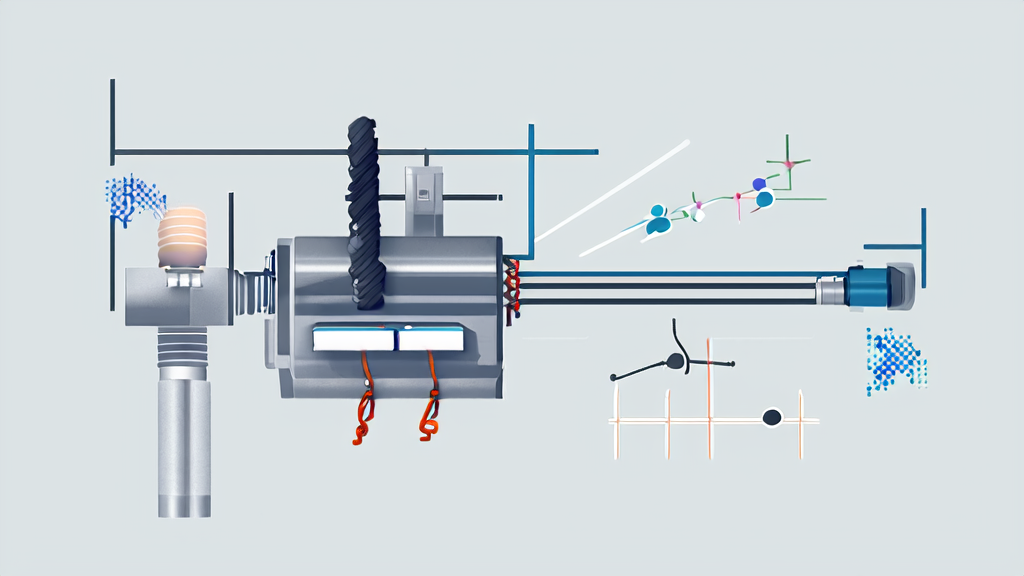 VirtualVoid:An O2 sensor, or oxygen sensor, in a car works by measuring the amount of oxygen in the exhaust gases. It uses a ceramic element, typically made of zirconia or titanium dioxide, which generates a voltage based on the difference in oxygen levels between the exhaust and the outside air. When the exhaust has high oxygen (lean mixture), the sensor produces a low voltage (around 0.1 volts). Conversely, when oxygen is low (rich mixture), it generates a high voltage (around 0.9 volts). This voltage signal is sent to the car’s engine control unit (ECU). The ECU uses this data to adjust the air-fuel ratio in real-time, ensuring optimal combustion. A precise air-fuel ratio (14.7:1 for gasoline engines) maximizes combustion efficiency, reducing fuel consumption and minimizing harmful emissions like carbon monoxide (CO), nitrogen oxides (NOx), and unburned hydrocarbons (HC). For example, if the sensor detects a lean mixture, the ECU increases fuel injection; for a rich mixture, it reduces fuel. When an O2 sensor fails, several symptoms may occur. The "Check Engine" light may illuminate due to abnormal voltage readings. The engine might idle roughly, misfire, or hesitate during acceleration. Fuel consumption often increases as the ECU cannot optimize the air-fuel ratio. Additionally, failed sensors can lead to higher emissions, causing the car to fail emissions tests. In severe cases, unburned fuel can damage the catalytic converter due to overheating. Regular maintenance and prompt replacement of faulty O2 sensors are crucial for efficient engine performance and environmental compliance.

Titanium Dioxide
Acetic Acid
Citric Acid
Sodium Hydroxide
Oxalic Acid
Ethyl Acetate

Sign in/Join free
 All Categories
 |
-
Basic Chemicals
Others | Oxides And Peroxides -
Rubber&Plastic Ingredients
Rubber Chemicals | Chemical Fiber Chemicals -
Other Chemicals
Pharmaceutical Intermediates | Plant Extracts -
Food And Feed Additives
Plant Extract | Nutritional Enhancer -
Daily Chemicals
Cosmetic Ingredients | Chemicals For Cosmetics -
Flavors And Fragrances
Preservative | Flavor And Fragrance -
Dyes And Pigments
Pigments | Dye -
Catalyst And Auxiliary
Catalyst And Auxiliary | Antioxidants -
Water Treatment Agent
Water Treatment Chemicals | Water Treatment Agent
Services
Language
|
|

 3 Comments


 沪ICP备2021018848号-5


