


 Home
-
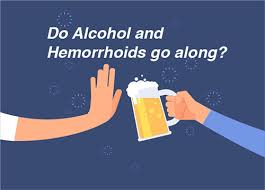 SpetsnazSoul:You know, it’s a really common concern because lots of people enjoy alcohol but don’t connect it with problems like hemorrhoids. Alcohol itself doesn’t directly “cause” hemorrhoids, but it can make the situation worse if you already have them or are prone to getting them. Drinking often leads to dehydration, which makes your stool harder and more difficult to pass. Straining in the bathroom is one of the main reasons hemorrhoids develop or flare up. Also, alcohol can irritate your digestive system and increase swelling in blood vessels. That includes the ones around your rectum, which means symptoms like itching, pain, or bleeding can feel stronger after a night of drinking. People who drink heavily may also eat fewer fiber-rich foods, and that makes constipation worse too. So, while alcohol isn’t the root cause, it definitely plays a role in making hemorrhoids more uncomfortable. If you limit your intake, stay hydrated, and eat plenty of fruits and vegetables, you’ll notice things feel a lot better. For many, just balancing those habits makes a big difference.
-
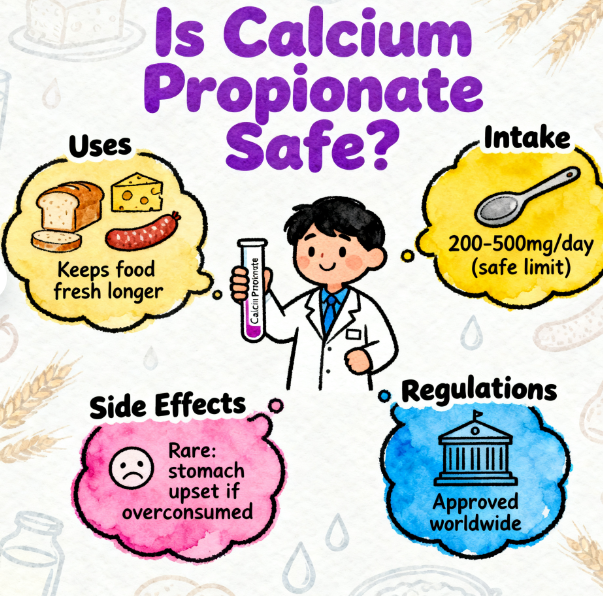 ShadowFang:When you see calcium propionate on a food label, it’s usually there to keep bread and baked goods from going moldy too quickly. In simple terms, it helps your bread last longer without getting spoiled. Most health agencies say it’s safe in the small amounts used in food, so for the average person, eating bread or pastries with this ingredient isn’t considered dangerous. Some people, though, report feeling mild discomfort like headaches or stomach upset, but that’s not common. Kids might be more sensitive, which is why some parents prefer brands without it. Still, the amounts in everyday foods are very low. If you eat it once in a while, it’s generally fine, but if you’re worried, you can always check labels and go for fresher products that don’t rely on preservatives.
-
 BearFist:You’re not the only one wondering about this, and it’s a pretty common concern. Drinking alcohol can definitely irritate your stomach and intestines. When people drink heavily, alcohol acts a bit like a strong chemical that makes the lining of the stomach more fragile. That irritation can sometimes lead to tiny tears or make existing problems worse, which may show up as blood in your stool. For some people, alcohol also makes conditions like hemorrhoids or acid reflux flare up, and both of those can cause bleeding. Even a night of binge drinking can upset the digestive system enough that you see some changes the next day. But at the same time, blood in stool isn’t always directly caused by alcohol. It could be from something like hemorrhoids, a small fissure, or in rare cases, something more serious. If you only notice it once after a night of drinking, it might just be irritation. But if it happens more often, it’s important not to ignore it. Getting checked by a doctor can give you peace of mind and help you know if alcohol is the main trigger or if something else is going on.
-
 VodkaViking:Hey, so here’s the deal. Sweating does get a tiny bit of alcohol out of your system, but it’s honestly a very small amount. Most of the alcohol you drink is processed by your liver and turned into harmless byproducts that your body can get rid of.💧 Exercising or sitting in a sauna might make you feel like you’re “getting it out,” and sure, you’ll burn some calories and maybe feel better overall, but it won’t make you sober any faster. Your liver still needs time to do its job. Usually, it takes about an hour to process one standard drink. So while sweating is good for your health in general, don’t rely on it as a shortcut to clear alcohol. Drinking water, resting, and giving your body time is really what matters. 🏃♂️💦
-
 SteppeEagle:You know, a lot of people imagine rubbing alcohol as some sort of strong acid or base, but actually it’s not really either one. Rubbing alcohol, which is usually isopropyl alcohol or sometimes ethanol, has a pH that’s pretty close to neutral. In simple terms, that means it’s not super acidic like lemon juice and not strongly basic like baking soda. Most tests place it somewhere around 6 to 8, depending on the brand and purity. When you pour a little on your skin, the sting you feel isn’t from it being acidic or basic. It’s actually because alcohol evaporates so fast, and that sudden cooling and drying effect makes your skin tingle. The drying is also why your hands can feel rough if you use a lot of it without moisturizer. In everyday life, this near-neutral pH is part of why rubbing alcohol is safe for disinfecting small cuts or cleaning surfaces without causing chemical burns. It’s strong against germs because alcohol breaks down their outer layers, not because of its pH. So, when you’re wiping your phone screen, cleaning a scratch, or freshening up surfaces, you don’t need to worry about it being too acidic or too alkaline. It’s more about its evaporating and germ-killing power than the pH number.
-
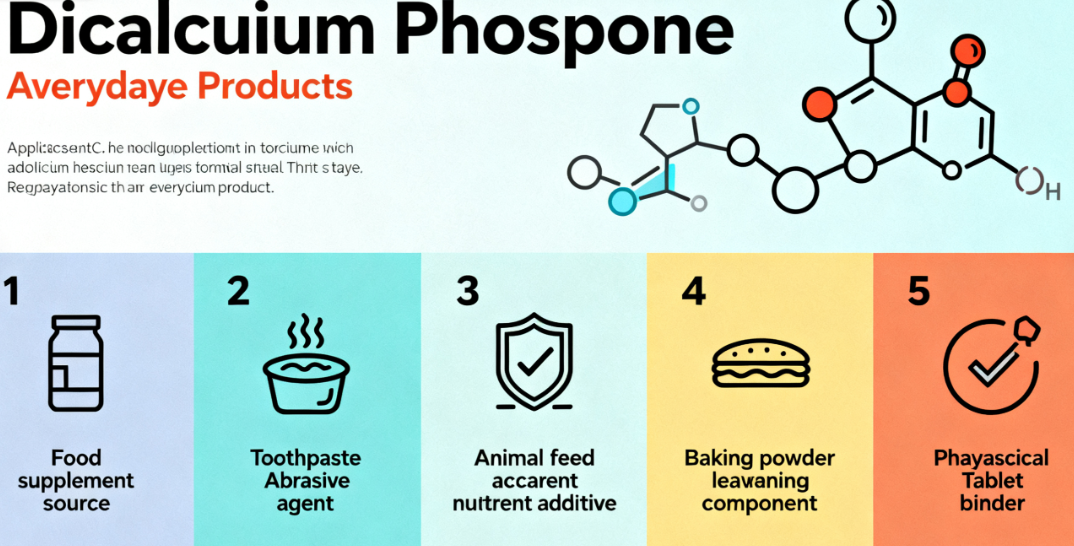 StarfallValley:You know, when you look at the ingredients on your cereal box or your multivitamin bottle, you might see "dicalcium phosphate" and wonder what it's doing there. Well, think of it as a handy two-in-one ingredient. It's a great source of both calcium and phosphorus, which are two minerals your body absolutely needs for strong bones and teeth. So, in supplements and fortified foods, it's primarily there to give you a nutritional boost. But its uses go beyond just nutrition. Have you ever noticed how some tablets aren't crumbly and hold their shape? Dicalcium phosphate is often the reason for that. It acts as a binder, giving pills their structure. And in your toothpaste, it plays a different role. It's mildly abrasive, so it helps scrub away plaque and stains from your teeth without being too harsh on the enamel, leaving them feeling clean and polished.
-
 Logan:So, you're wondering if dicalcium phosphate is safe for your dog, huh? Well, let me break it down for you. Dicalcium phosphate is actually a pretty common ingredient in dog food and supplements. It's used to provide calcium and phosphorus, which are important for your dog's bones and teeth. Most of the time, it's totally safe when used in the right amounts. You'll find it in a lot of commercial dog foods because it helps balance out the nutrients. But, like with anything, too much of a good thing can be bad. If your dog eats way too much, it might cause some stomach upset or other issues. So, just make sure you're following the recommended dosage on the package or from your vet, and your pup should be just fine!
-
 KremlinGuard:That’s a really good question because the names sound similar and can make anyone think they’re the same. Isopropyl alcohol, which you’ll often find as “rubbing alcohol,” is usually sold in pharmacies and is safe for disinfecting skin or cleaning surfaces at home. It’s made for medical and household use, so the formula is fairly straightforward. Denatured alcohol, on the other hand, is basically ethanol that has been mixed with other chemicals to make it undrinkable. Those added ingredients can include things that smell bad, taste awful, or are even toxic. It’s mainly sold in hardware stores because it’s meant for things like fuel, paint thinning, or cleaning tough grease. So, while both are types of alcohol, their purposes are not the same at all. You wouldn’t want to put denatured alcohol on your skin or use it the way you’d use isopropyl. Think of it this way: one is made with people in mind, the other is made with industrial needs in mind.
-
 CaviarPrince:When you drink alcohol, it can irritate your body in different ways. For some people, alcohol relaxes the muscle that keeps stomach acid down, which can lead to heartburn. That burning feeling in the chest is often mistaken for heart pain, even though it’s really coming from acid reflux. It can feel sharp or heavy, especially after a night of drinking beer, wine, or cocktails. Alcohol can also make your heart beat faster or less steady. If your body reacts this way, you might feel tightness or pressure in your chest. Sometimes, it’s just temporary and passes when the alcohol wears off, but it can feel scary in the moment. Another thing is that alcohol breaks down into chemicals like acetaldehyde, which can stress the body and sometimes trigger discomfort in the chest area. Everyone’s tolerance is different, so one person might only get a warm flush while another feels actual pain or pressure. So yes, alcohol can cause chest pain, and it often happens through simple things like heartburn or a racing heartbeat. But if it feels strong, happens often, or comes with dizziness or shortness of breath, it’s better not to ignore it and check with a doctor.
-
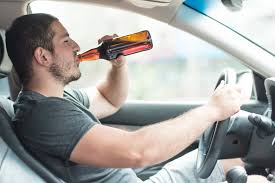 BaikalWave:When you drink alcohol, it doesn’t take long before your body and brain start to feel different. Even if you feel “fine,” your reaction time usually gets slower. That means when something unexpected happens on the road—like a pedestrian stepping out or another car braking suddenly—you may not hit the brakes quickly enough. Another big thing alcohol does is change your judgement. It lowers your ability to weigh risks, so you might think speeding a little more or taking a risky turn is no big deal. At the same time, it can give you a false sense of confidence, making you believe you’re driving just as well as when you’re sober, even though you’re not. It also affects coordination. Simple things like staying in your lane, keeping a steady speed, or checking mirrors properly become harder without you even noticing. That’s why even “just a drink or two” can make a difference—because those small changes stack up and increase the chance of mistakes.

Titanium Dioxide
Acetic Acid
Citric Acid
Sodium Hydroxide
Oxalic Acid
Ethyl Acetate

Sign in/Join free
 All Categories
 |
-
Basic Chemicals
Others | Oxides And Peroxides -
Rubber&Plastic Ingredients
Rubber Chemicals | Chemical Fiber Chemicals -
Other Chemicals
Pharmaceutical Intermediates | Plant Extracts -
Food And Feed Additives
Plant Extract | Nutritional Enhancer -
Daily Chemicals
Cosmetic Ingredients | Chemicals For Cosmetics -
Flavors And Fragrances
Preservative | Flavor And Fragrance -
Dyes And Pigments
Pigments | Dye -
Catalyst And Auxiliary
Catalyst And Auxiliary | Antioxidants -
Water Treatment Agent
Water Treatment Chemicals | Water Treatment Agent
Services
Language
|
|

 3 Comments
 沪ICP备2021018848号-5


