


 Home
-
 Maddox:Sure! Ketones in urine are substances your body makes when it breaks down fat for energy instead of using glucose. Usually, your body prefers to use glucose from carbs for energy. But when there's not enough glucose, like in cases of low - carb diets, diabetes, or fasting, the body starts breaking down fat, and that produces ketones. As for what's a dangerous level, in general, for people with diabetes, if the urine ketone level is "moderate" (around 80 - 150 mg/dL) or "high" (150 mg/dL or more), it's a red flag. For non - diabetics, even a "trace" amount that keeps showing up could be a sign of an underlying issue. High ketone levels can be really harmful. In diabetics, it can lead to a serious condition called diabetic ketoacidosis (DKA). DKA can make you feel super sick, with symptoms like nausea, vomiting, rapid breathing, and confusion. If not treated, it can be life - threatening. In non - diabetics, it might indicate problems like an eating disorder or a metabolic issue. To deal with high ketone levels, if you have diabetes, you need to check your blood sugar and ketone levels regularly. Drink plenty of water to flush out the ketones. If your blood sugar is high, you may need to adjust your insulin dose as per your doctor's advice. For non - diabetics, if it's due to a low - carb diet, you might need to add some healthy carbs back into your diet. And if it's caused by an underlying health problem, see a doctor to figure out the root cause and get proper treatment.
-
 Julian:Hey, I totally get how you feel! Homocoupling can be a real pain in the neck, and it's super frustrating when nothing seems to work. But don't worry, there are a few more things you can try. First off, have you thought about adjusting the reaction stoichiometry? Sometimes, carefully controlling the ratio of your reactants can make a big difference. For example, if you're using a catalyst, playing around with the amount relative to the olefin can help tip the balance away from homocoupling. Maybe try reducing the amount of catalyst slightly to see if that helps. Another thing to consider is the use of additives. Some substances can act as scavengers or modifiers in the reaction. For instance, certain Lewis bases can coordinate with the catalyst in a way that inhibits the homocoupling pathway. You could research some common additives used in olefin metathesis reactions and see if any of them might be suitable for your system. Also, make sure your reaction setup is as clean as possible. Contaminants in the reaction vessel or impurities in your starting materials can sometimes promote unwanted side reactions, including homocoupling. So, double - check your purification procedures and use high - purity reagents. And don't forget about the reaction time. Sometimes, running the reaction for a shorter period can prevent the build - up of homocoupling products. You might need to do some trial - and - error experiments to find the optimal reaction time for your specific case. Finally, it could be helpful to reach out to other researchers in the field. There are online forums and academic communities where you can share your problem and get advice from people who have faced similar challenges. You might just find a solution that you haven't thought of yet!
-
 EclipsePine:Sure, I can try to answer your questions! So, silicone isn't really plastic. Silicone is a synthetic rubber made from silicon, oxygen, carbon, and hydrogen. Plastic, on the other hand, is a broader term for a wide range of synthetic or semi-synthetic materials made from polymers. Silicone has some unique properties. It's highly flexible and can withstand a wide range of temperatures, from very cold to quite hot without getting brittle or melting easily. It's also resistant to chemicals and has good electrical insulation properties. Plus, it's biocompatible, which means it's often used in medical applications like implants. Plastic, well, there are different types, but generally, it's lightweight and can be molded into various shapes easily. It's also durable and relatively inexpensive to produce. Some plastics are transparent, while others can be colored. However, not all plastics are as heat-resistant as silicone, and they might not be as suitable for medical use. The main differences between them are that silicone has better heat resistance and flexibility compared to many plastics. Also, silicone is more chemically inert in some cases. And while both can be molded, the process and the final properties can vary a lot. So, in a nutshell, they're different materials with their own set of characteristics.
-
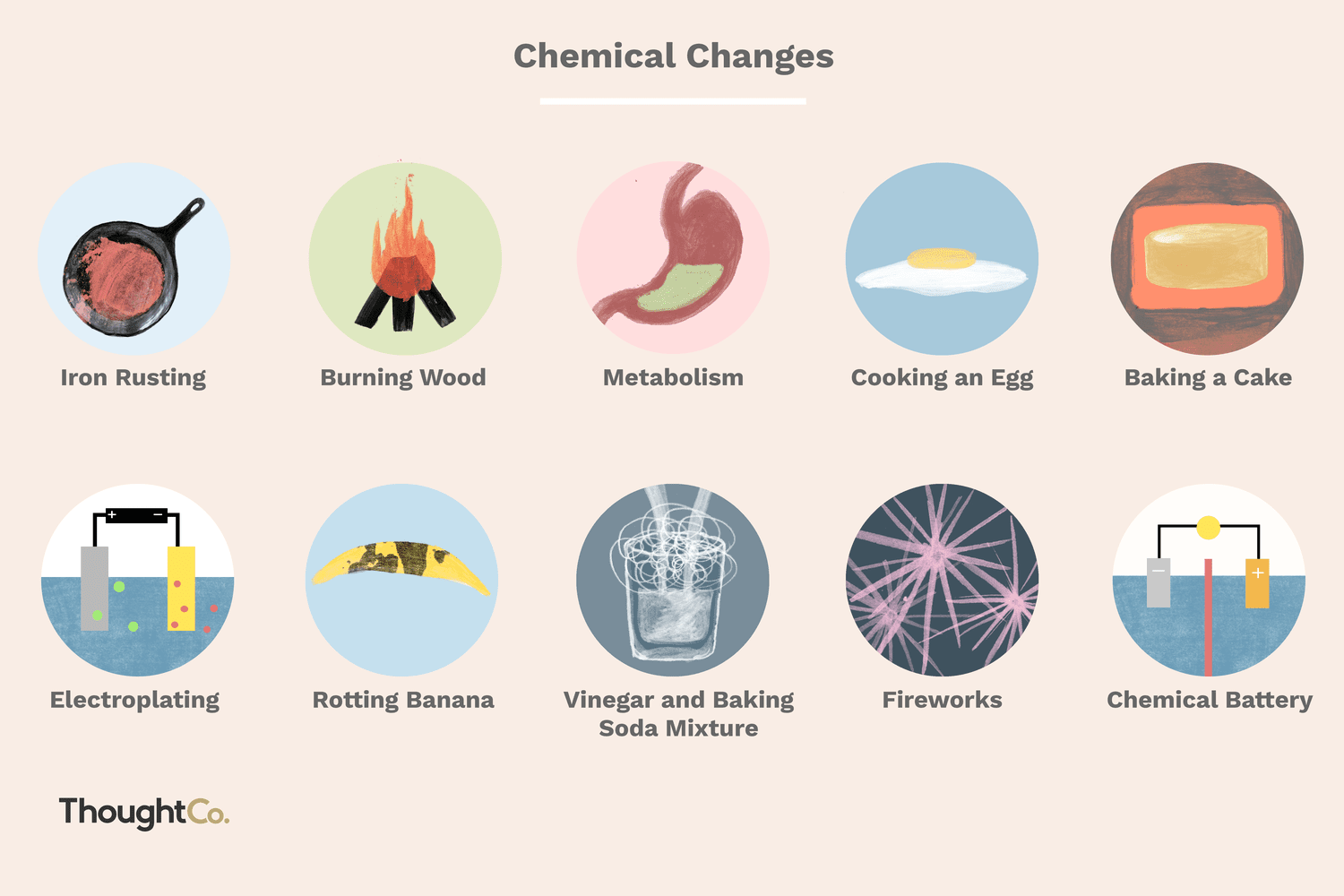 HyperionCode:Let's start with the fundamental chemical principles behind the definition of chemical change. At its core, a chemical change involves a rearrangement of atoms. The principle of conservation of mass is super important here. This means that the total mass of the substances before a chemical change is the same as the total mass after it. Even though the substances might look completely different, no atoms are created or destroyed. Another key principle is the change in chemical bonds. In a chemical change, old bonds between atoms break, and new ones form. This is what allows new substances to be created. Now, let's talk about how chemical reactions illustrate the concept of chemical change. A chemical reaction is like a real - life example of chemical change. Take the combustion of methane, for instance. Methane (CH₄) reacts with oxygen (O₂) in the air. During this reaction, the carbon - hydrogen bonds in methane and the oxygen - oxygen bonds break. Then, new carbon - oxygen and hydrogen - oxygen bonds form, creating carbon dioxide (CO₂) and water (H₂O). This clear transformation from one set of substances to another shows exactly what a chemical change is all about. When it comes to the transformation of reactants into products and how it fits the definition of chemical change, it's all about the change in chemical identity. Reactants are the starting substances in a chemical reaction. As the reaction proceeds, they transform into products. These products have different chemical and physical properties compared to the reactants. For example, when iron (Fe) reacts with oxygen (O₂) to form rust (iron oxide, Fe₂O₃), the shiny, metallic iron we started with has turned into a brittle, reddish - brown substance. This change in properties indicates that a chemical change has occurred, and the transformation from reactants (iron and oxygen) to the product (iron oxide) is a classic example of how the definition of chemical change plays out in the world of chemical substances.
-
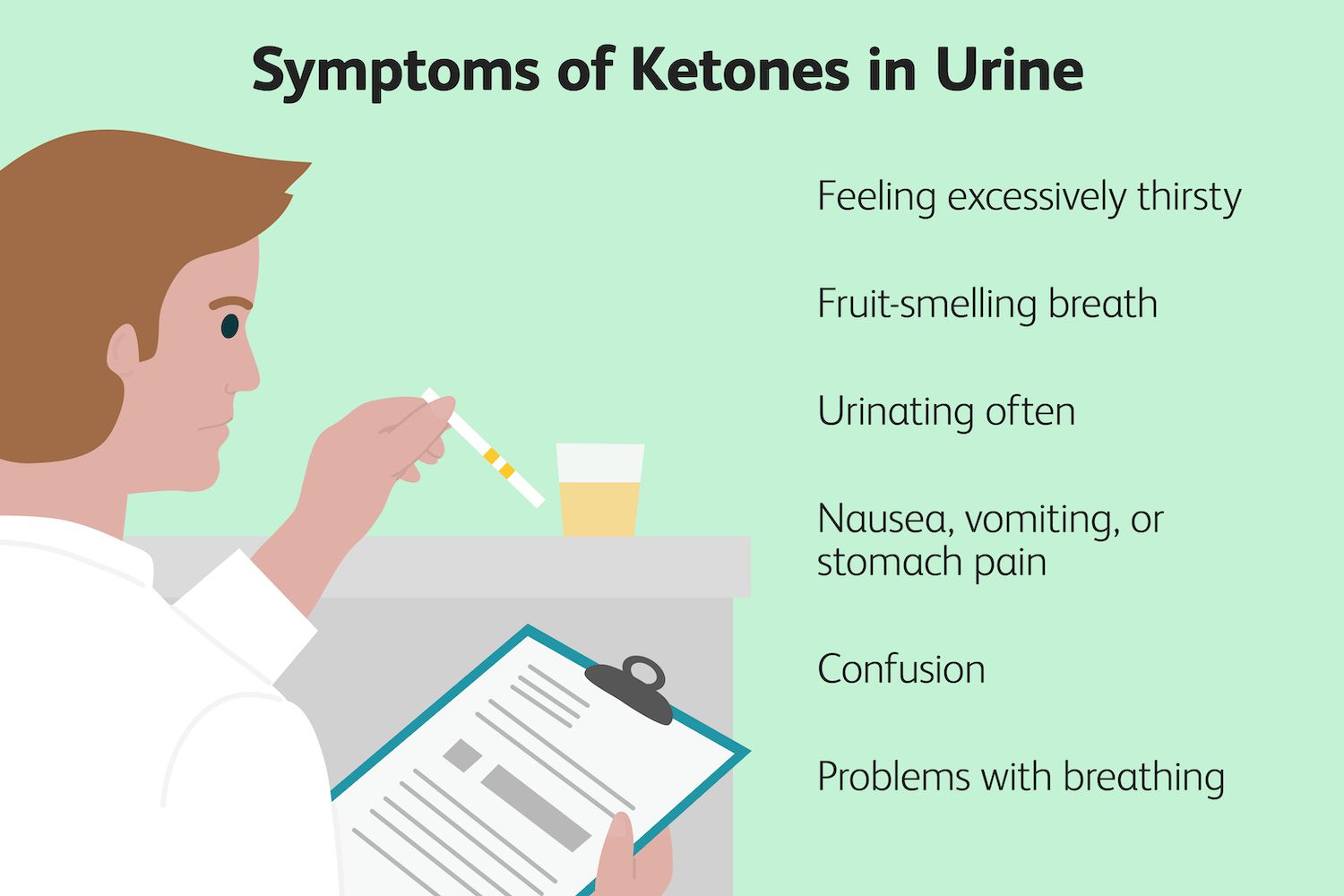 QuantumHive:Sure! Ketones in urine are by - products when your body breaks down fat. Usually, there are only small amounts. But when your body can't get enough glucose for energy, it starts burning fat, and more ketones show up in your urine. There are several reasons for high ketones in urine. If you have diabetes and your blood sugar is out of control, your body can't use glucose well, so it turns to fat for fuel, raising ketone levels. This can be really dangerous and lead to a serious condition called diabetic ketoacidosis. Also, if you're fasting for a long time, on a very strict diet, or doing intense exercise without enough carbs, your body will break down fat, causing ketones to rise. Symptoms of high urine ketones can vary. Mild cases might just make you feel a bit tired or thirsty. But if it's more serious, you may notice a fruity smell on your breath, like nail - polish remover. You could also feel nauseous, vomit, have stomach pains, be extremely thirsty, pee a lot, feel weak, or have a headache. To test for urine ketones, you can use a simple urine ketone test strip. Just dip the strip in your urine, and then compare the color change on the strip to the color chart that comes with it. This gives you a quick idea of how much ketone is in your urine. If it's due to fasting or a diet, eat some carbs like bread or fruit to get your body back to using glucose. If you're on a keto diet, and you feel okay, keep an eye on it. But if you're not feeling well, talk to a doctor or a dietitian.
-
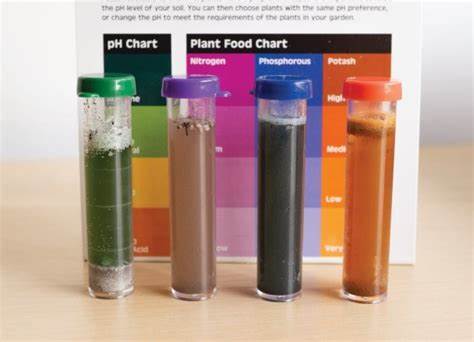 CyberForge:that's a great question, and it's something every gardener or farmer has probably wondered about at some point. You're absolutely right that different plants need different nutrients, and getting that fertilization just right can be a real game - changer for a successful harvest or a beautiful garden. First off, let's talk about laboratory chemical analysis. This is a super accurate way to test soil fertility. In a lab, they can measure all sorts of things like the levels of nitrogen, phosphorus, potassium, and even trace elements in the soil. They use really sophisticated equipment to break down the soil samples and get precise readings. This kind of detailed analysis is great because it gives you a complete picture of what's going on in your soil. For example, if you're growing a crop that needs a lot of phosphorus, like tomatoes, a lab test can tell you exactly how much phosphorus is already in the soil and how much more you might need to add. But here's the catch - it can be pretty expensive and time - consuming. You have to collect the soil samples, send them off to the lab, and then wait for the results, which could take a few days or even weeks. Now, let's move on to field - based tests. These are a lot more convenient and quicker. One common field test is the pH test. You can buy a simple pH testing kit at any garden center. It's really easy to use. You just take a small amount of soil, mix it with a special solution, and then compare the color of the mixture to a chart to find out the soil's pH level. Knowing the pH is important because it affects how well plants can absorb nutrients. Most plants prefer a slightly acidic to neutral pH, around 6.0 - 7.0. Another field - based test is the nitrate test. You can get a test strip that changes color when it comes into contact with nitrates in the soil. This gives you a rough idea of how much nitrogen is available for your plants. These field - based tests are great for a quick check, but they're not as comprehensive as a lab analysis. They usually only test for one or two key nutrients or the pH, not the full range of elements in the soil. So, which is the best method? Honestly, it depends on your situation. If you're a large - scale farmer with a lot at stake, investing in a laboratory analysis a few times a year might be worth it. It can help you make really informed decisions about fertilization and maximize your crop yields. But if you're just a home gardener with a small plot, using a combination of simple field - based tests throughout the growing season can be a more practical and cost - effective way to keep an eye on your soil fertility. You can do a quick pH test before you plant, and then check the nitrate levels every few weeks to make sure your plants are getting what they need. In the end, there's no one - size - fits - all answer, and a bit of both methods might be the best approach to ensure effective fertilization for your plants.
-
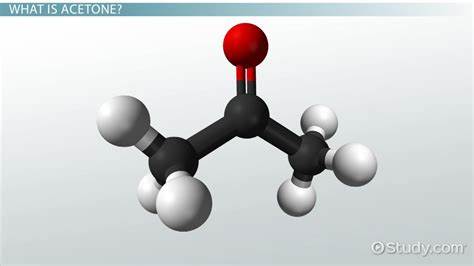 QuantumFlux:Sure, I can help you out! Acetone is a kind of clear, colorless liquid. It's a simple organic compound, chemically known as propanone, with the formula C₃H₆O. In daily life, you can find acetone in nail polish removers. It's great at dissolving the substances that make up nail polish, so it can quickly clean your nails. Some paint thinners also contain acetone. It helps to make the paint less thick, making it easier to apply. Acetone has a few notable properties. It has a low boiling point, which means it evaporates quickly. It's also highly flammable, so you gotta be careful around open flames when using products with acetone. It's a good solvent, able to dissolve a lot of different substances. As for its uses, besides in nail polish removers and paint thinners, it's used in the manufacturing of plastics and fibers. In laboratories, it's used to clean glassware because it can dissolve residues well. Now, about its impact on human health. Short - term exposure to low levels might cause some irritation to your eyes, nose, and throat. If you inhale a large amount of acetone vapor, it could make you feel dizzy or have a headache. But generally, as long as you use products with acetone in a well - ventilated area, the risk to your health is pretty low.
-
 Vincent:Let me tell you, corn ethanol does have some pretty cool things going for it! First off, in terms of powering engines, corn ethanol can be a real game - changer. It has a high octane rating, which means it burns more cleanly and efficiently in engines compared to regular ethanol in some cases. This results in better engine performance, like improved acceleration and smoother operation. It can also reduce engine knocking, which is a major plus for maintaining the health of your engine. When we talk about the environmental footprint, corn ethanol is a winner too. Since it's made from corn, a renewable resource, it's part of a closed - loop carbon cycle. The corn absorbs carbon dioxide during its growth, and when the corn ethanol is burned, the carbon dioxide is released back into the atmosphere. In contrast, regular ethanol made from non - renewable sources might contribute more to net carbon emissions. Additionally, using corn ethanol can lead to a reduction in harmful tailpipe emissions such as carbon monoxide, particulate matter, and some volatile organic compounds. This helps in improving air quality, especially in urban areas where vehicle emissions are a big concern. Now, let's get to the cost - effectiveness. Corn is a widely available crop in many parts of the world, especially in the United States. This abundance can lead to relatively stable prices for corn ethanol production. In some regions, the infrastructure for growing, harvesting, and processing corn is already well - established. This reduces the need for massive new investments in production facilities. As a result, the cost of producing corn ethanol can be more predictable compared to some other types of ethanol made from more exotic or less - available feedstocks. So, overall, corn ethanol has some distinct advantages in terms of engine performance, environmental impact, and cost - effectiveness.
-
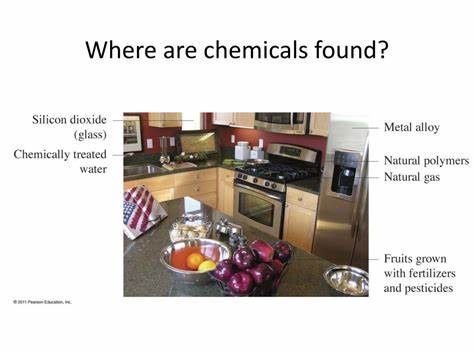 Sophia:So, you're curious about chemical systems. a chemical system is basically a set of substances that are involved in chemical reactions or interactions. It can be as simple as a glass of water with a bit of salt dissolved in it, or as complex as the entire human body's biochemical processes. One common chemical system is a battery. Inside a battery, there are chemical reactions happening between different substances like metals and electrolytes. Another example is photosynthesis in plants. It's a chemical system where plants use sunlight, carbon dioxide, and water to produce oxygen and glucose. This is not only crucial for the plants themselves but also for the entire ecosystem. When it comes to daily life, chemical systems are everywhere. In our kitchens, when we cook, chemical reactions occur. For instance, when we bake a cake, the heat causes chemical changes in the flour, sugar, eggs, and other ingredients, resulting in a delicious treat. Cleaning products are also based on chemical systems. Dishwashing liquid uses chemicals to break down grease and dirt As for where to find a chemical system, it depends on what kind you're looking for. If you're interested in simple chemical systems for educational purposes, you can find them in a school or college chemistry lab. They usually have basic set - ups for experiments like mixing acids and bases. You can also find chemical systems in industrial settings. Factories that produce chemicals, pharmaceuticals, or even food products use complex chemical systems in their manufacturing processes. And if you want to study them on your own, you can purchase chemistry experiment kits online or from science supply stores. These kits often come with materials and instructions to create simple chemical systems at home.

Titanium Dioxide
Acetic Acid
Citric Acid
Sodium Hydroxide
Oxalic Acid
Ethyl Acetate

Sign in/Join free
 All Categories
 |
-
Basic Chemicals
Others | Oxides And Peroxides -
Rubber&Plastic Ingredients
Rubber Chemicals | Chemical Fiber Chemicals -
Other Chemicals
Pharmaceutical Intermediates | Plant Extracts -
Food And Feed Additives
Plant Extract | Nutritional Enhancer -
Daily Chemicals
Cosmetic Ingredients | Chemicals For Cosmetics -
Flavors And Fragrances
Preservative | Flavor And Fragrance -
Dyes And Pigments
Pigments | Dye -
Catalyst And Auxiliary
Catalyst And Auxiliary | Antioxidants -
Water Treatment Agent
Water Treatment Chemicals | Water Treatment Agent
Services
Language
|
|

 3 Comments








 沪ICP备2021018848号-5


